Iodine Value of Coal vs. Wood Activated Carbon: What the Numbers Really Mean
The iodine value is a key number you'll see on every activated carbon data sheet. It measures how many milligrams of iodine one gram of carbon can adsorb, indicating its surface area and potential to trap small molecules. But here's what many miss: a higher iodine value doesn't automatically mean better performance for your specific job. The real meaning of that number changes completely depending on whether you're looking at coal-based or wood-based carbon.
Think of it like this: iodine value tells you the "horsepower," but not whether you need a tractor for heavy work or a sports car for speed. You have to match the engine to the task.
Coal-Based Carbon: The Small-Molecule Specialist
Made from materials like anthracite coal, this carbon is known for strength and cost-effectiveness in large-scale industrial use. Its pore structure is filled with tiny micropores, perfect for grabbing small pollutants.
Standard Grade (500–800 mg/g): The workhorse for basic jobs. Used in early-stage wastewater treatment to remove color and simple odors. It's the affordable choice for high-volume, less demanding applications.
High-Performance Grade (800–1100 mg/g): Made with longer activation for more micropores. Used in city water treatment plants and for removing heavy metals or specific chemicals from industrial wastewater.
Specialty Grade (up to 1200+ mg/g): Designed for tough jobs like high-concentration chemical wastewater. It has the highest capacity but comes at a premium price.
Wood-Based Carbon: The Versatile Performer
This family includes carbon from wood chips, sawdust, and especially coconut shells. It naturally has a mix of micropores and mesopores (medium-sized pores), making it adaptable.
Standard Wood/Nut Shell Carbon (700–900 mg/g): Excellent for removing larger organic molecules that cause color or taste problems, like in food processing wastewater or preliminary drinking water treatment. It often works better for these tasks than coal carbon with a similar iodine value.
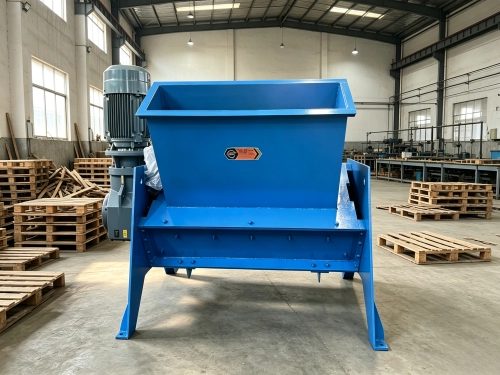
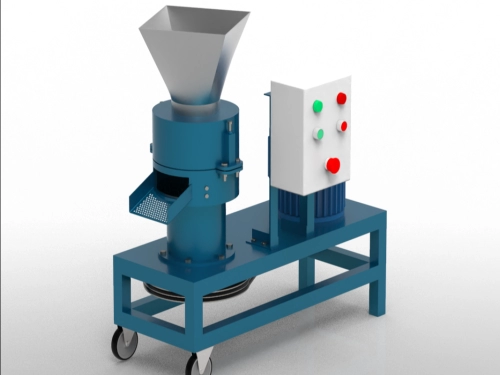
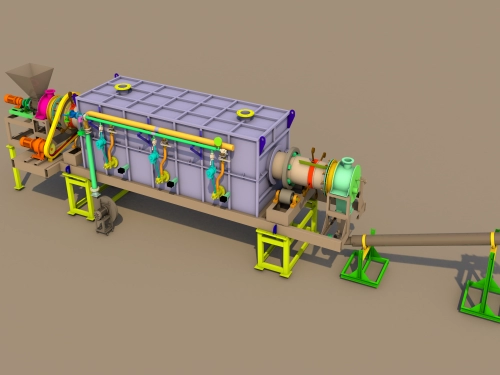
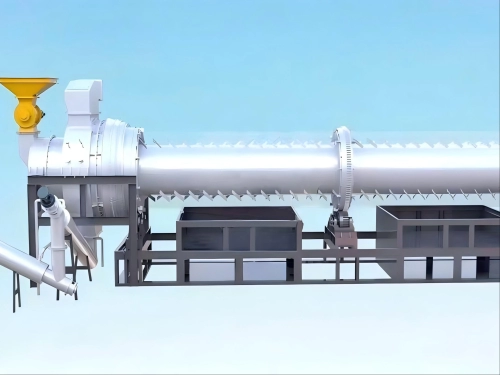
A practical example: One of our clients in Vietnam invested in a wood-based carbon production line in 2019. Focusing on this cost-effective solution for the growing wastewater treatment market has allowed for steady, successful expansion of their business over the years.
Premium Coconut Shell Carbon (900–1200 mg/g): The gold standard. Its dense, uniform pore structure gives it high capacity and makes it the top choice for final-stage polishing in home water filters, beverage production, and high-purity water systems.
Food & Pharmaceutical Grade (1200–1300+ mg/g): The purest form, with minimal ash. Used in critical applications like pharmaceutical manufacturing and sugar refining where absolute purity is required.
Making the Right Choice: It's About the Target
The key is to match the carbon's pore structure to the size of your pollutant.
Choose high-iodine coal carbon (800-1100 mg/g+) when you need to remove small molecules: things like industrial solvents, chlorine, or specific lightweight chemicals.
Choose wood-based carbon (700-1200 mg/g) when you need to remove larger organic molecules: like the compounds that cause color, musty tastes, or odors in water. For these, wood carbon is usually more efficient, even if its iodine value number isn't the highest on the chart.
Remember, cost follows iodine value. Within the same type, each significant jump in iodine value can increase price by 10-20%. Don't pay for capacity you don't need.
The Bottom Line
Look beyond the number. First, identify your main contaminant. Then pick the carbon type designed to catch it (coal for small molecules, wood for larger organics). Finally, choose an iodine value within that category that meets your needs without overspending. The best carbon isn't the one with the highest rating—it's the one that solves your specific problem most efficiently.
Copyright: Copyright belongs to Hengju Machinery! Reprint please indicate the source: https://www.hengjumachinery.com/industry-news/iodine-value-of-coal-vs-wood-activated-carbon-what-the-numbers-really-mean.html
Needs Help? Let’s Get in Touch