Coconut Shell vs. Nut Shell Activated Carbon: What's the Real Difference?
When comparing activated carbon options, "coconut shell" and "nut shell" are two common terms. It's important to know they aren't the same thing. Think of it this way: coconut shell carbon is a premium, specialized type within the broader "nut shell" category. All coconut shell carbons are nut shell carbons, but not all nut shell carbons offer the high-end performance of coconut shell.
This distinction is crucial for making a smart purchase. The decision often boils down to a simple question: do you need top-tier performance for a critical application, or is a reliable, cost-effective solution sufficient for a general industrial job?
From the Source: Different Starting Materials
The journey of each carbon type begins with a completely different raw material.
Coconut Shell Activated Carbon has a single, premium source: the hard, dense shell of coconuts. Sourced primarily from tropical regions, this uniform raw material is the gold standard for quality. Its consistency and inherent density result in superior performance, which is reflected in its higher raw material cost.
General Nut Shell Activated Carbon is a broader category. It can be produced from various shells like walnut, apricot, peach, or olive pits. These materials are often more locally abundant and affordable. While very effective, the final product's characteristics can vary more depending on the specific shell used.
Performance Comparison: A Detailed Look
The table below highlights the key technical and practical differences between the two types.
| Feature | Coconut Shell Activated Carbon | General Nut Shell Activated Carbon (e.g., Walnut, Apricot) |
|---|---|---|
| Pore Structure | Extremely high density of uniform micropores. Ideal for trapping small molecules like solvents and chemicals. | Good mix of pores, with a higher proportion of medium-sized pores (mesopores). A broader, less uniform network. |
| Adsorption Capacity | Very high iodine value, indicating superior surface area and adsorption potential for a wide range of contaminants. | Good adsorption capacity, but generally with a lower iodine value compared to premium coconut shell carbon. |
| Mechanical Hardness | Exceptionally hard and abrasion-resistant. Withstands system pressure and backwashing very well, producing less dust (fines). | Good hardness, but typically less durable than coconut shell carbon over many regeneration cycles. |
| Regeneration & Lifespan | Can be thermally regenerated effectively multiple times (15-20 cycles), offering a longer service life and better cost recovery. | Can be regenerated, but often for fewer cycles (10-15) with slightly lower recovery rates. |
Choosing the Right Carbon: Application is Key
Your specific project needs should guide your selection. Here’s a practical breakdown of where each type excels.
Choose Coconut Shell Activated Carbon for high-stakes, precision roles. Its purity and exceptional microporous structure make it the preferred choice for:
Drinking Water Purification & Food/Beverage Processing: Where removing taste, odor, and ensuring absolute purity is critical.
Gold Recovery in Mining: Its high hardness and superior adsorption of gold-cyanide complexes maximize yield in a demanding process.
High-End Air & Gas Purification: For capturing volatile organic compounds (VOCs) and in sensitive environmental applications.
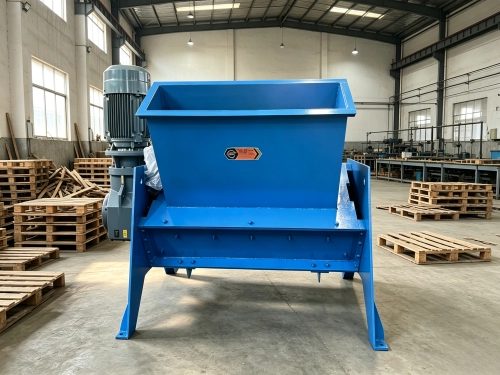
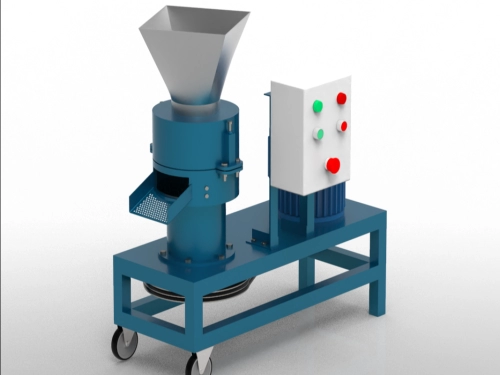
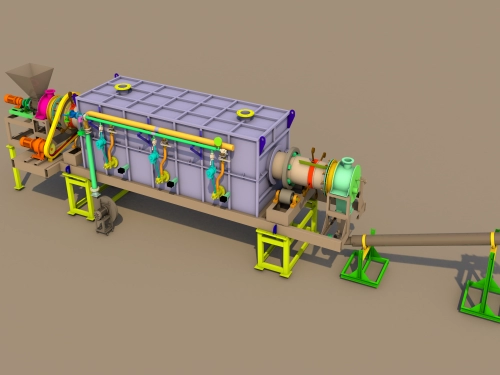
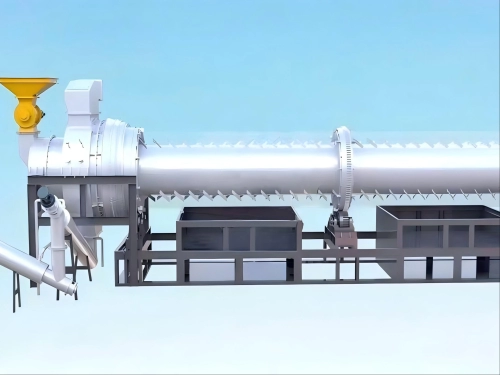
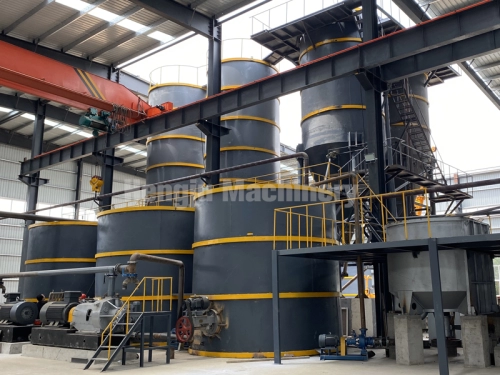
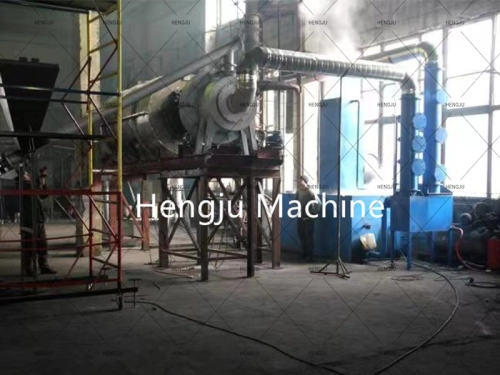
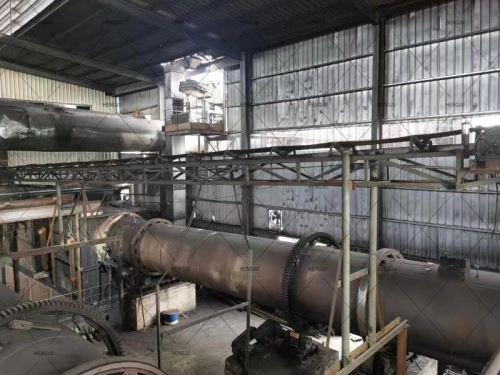
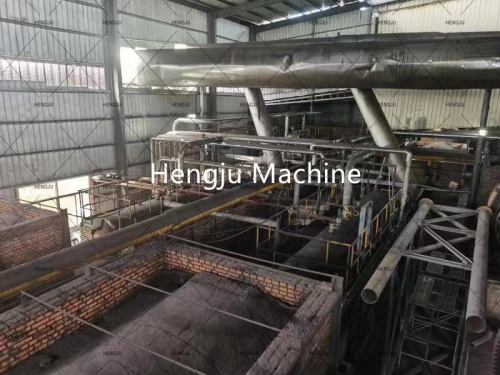
A real-world example: One of our clients in Zimbabwe invested in a coconut shell carbon production line for the gold mining industry. The carbon's high hardness, exceptional adsorption capacity, and efficient regeneration performed perfectly in their harsh processing conditions. With strong gold prices, their focus on this premium material proved to be a sound business decision, allowing for rapid return on investment.
Choose General Nut Shell Activated Carbon for robust, cost-sensitive industrial applications. It provides excellent value and reliable performance for:
Industrial Wastewater Pretreatment: Effectively reducing organic load, color, and odor before finer treatment stages.
Power Plant Water Systems: For general purification and organic removal in cooling or feed water.
Basic Air Emission Control: Used in certain scrubbing systems for desulfurization or general odor control.
Cost vs. Performance: Making the Final Decision
The enhanced performance of coconut shell carbon comes at a higher price. It typically costs 1.5 to 2 times more than standard nut shell carbon due to its premium raw material and processing. For large-scale projects where the ultimate purity isn't the primary concern, the significant cost savings of a general nut shell carbon can be the most important factor.
The Bottom Line: Your choice isn't about "good vs. bad," but about matching the right tool to the job. For critical applications in food, pharmaceuticals, or gold mining where maximum adsorption, durability, and purity are non-negotiable, coconut shell activated carbon is the necessary and worthwhile investment. For general industrial water and wastewater treatment where reliable performance at a lower cost is the priority, a high-quality general nut shell activated carbon will provide the most practical and economical solution.
Copyright: Copyright belongs to Hengju Machinery! Reprint please indicate the source: https://www.hengjumachinery.com/industry-news/coconut-shell-vs-nut-shell-activated-carbon-whats-the-real-difference.html
Needs Help? Let’s Get in Touch