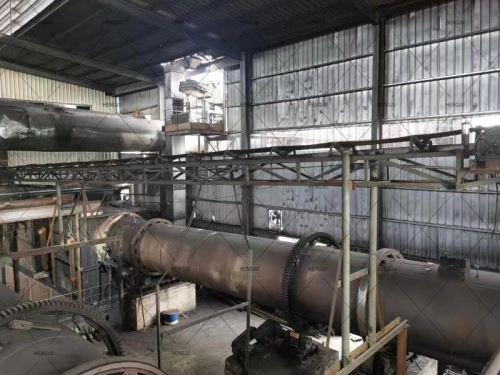
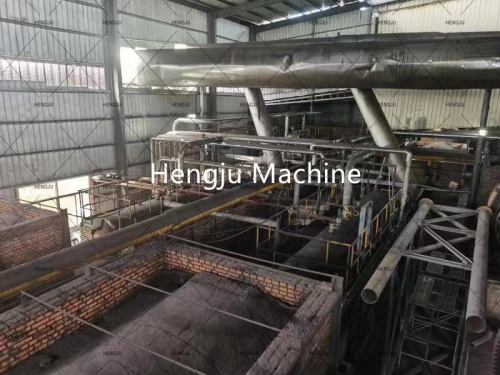
Continuous Carbonization Furnace: Unlocking Stable, High-Yield Production of Quality BiocharContinuous Carbonization Furnace: Unlocking Stable, High-Yield Production of Quality Biochar
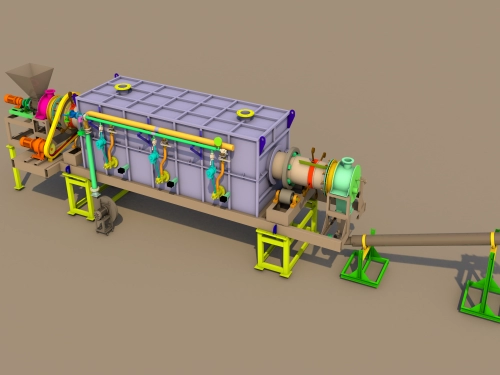
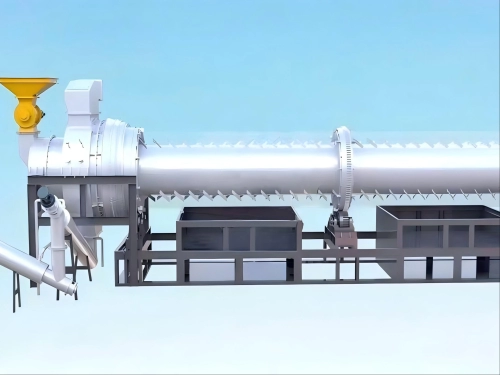
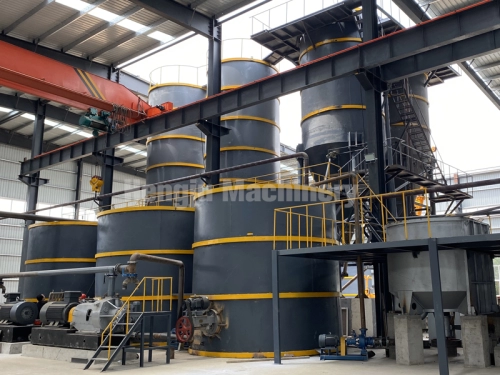
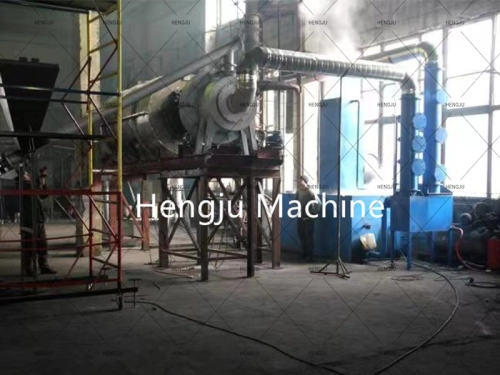
A continuous carbonization furnace is more than a heated tube; it's a precisely controlled thermochemical conversion system. The goal isn't just to make char, but to consistently produce high-quality biochar with uniform properties for its target market, while maximizing throughput and energy efficiency. Many operators struggle with output fluctuations, inconsistent quality, or high fuel costs, often because they manage isolated variables instead of understanding the interconnected process.
Achieving peak performance requires shifting from a "set-and-forget" approach to active process management. By mastering the relationship between feedstock, reactor conditions, and desired product specifications, you can transform your furnace into a precision tool for profit.
Core Control Dimensions: Temperature Profile and Residence Time
Two factors dominate final biochar quality: the peak pyrolysis temperature and the residence time of material within the key temperature zones. These must be controlled in concert. Ramping the temperature too quickly can cause volatile organic compounds to crack inefficiently, creating excessive tars that clog the system and degrade syngas quality. A controlled, steady temperature rise enables cleaner decomposition.
The target peak temperature directly defines the biochar's chemical nature. Lower temperatures (400-500°C) yield a char richer in functional groups, ideal for agricultural soil amendment. Higher temperatures (600-700°C) produce a more stable, porous, and electrically conductive char suited for filtration or remediation. You must define your product first, then control the temperature precisely to hit the mark every time. Furthermore, insufficient residence time at the target temperature means the core of biomass particles doesn't fully carbonize, resulting in a heterogeneous, low-value output.
Feedstock Preparation: The Unseen Foundation of Stability
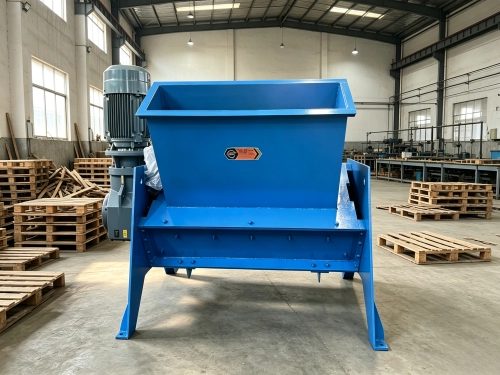
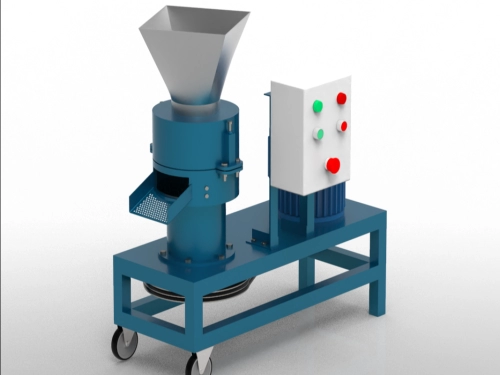
The furnace can only process what you feed it. Inconsistent feedstock guarantees inconsistent biochar. The key parameters are particle size uniformity and moisture content. A mix of large chunks and fines will carbonize at drastically different rates, causing hot spots, channeling, and poor process control.
Moisture is a massive energy thief. The heat required to evaporate water is much greater than that needed for pyrolysis itself. High-moisture feedstock drastically reduces effective throughput and skyrockets fuel costs. Pre-drying feedstock to below 15% moisture is often the single most impactful action to increase furnace capacity and stability. Investing in proper feedstock sizing and drying equipment pays for itself directly in reactor performance.
Atmosphere Control and Energy Loop: The Path to Maximum Efficiency
Pyrolysis is the breakdown of biomass in a low-oxygen environment. Even small air leaks into the reactor introduce oxygen, leading to combustion instead of controlled carbonization. This burns your product into ash, creates dangerous temperature spikes, and ruins syngas quality. Maintaining a sealed, oxygen-controlled atmosphere is paramount.
Conversely, expertly managing the syngas is the key to energy independence. The volatile gases released are flammable. A well-designed system combusts this syngas in a secondary chamber to provide heat for the pyrolysis process, creating an energy loop. Poor syngas handling wastes this energy, increases emissions, and makes the furnace reliant on expensive external fuel. Optimizing this gas recovery and combustion system is what transforms the furnace from an energy cost center into an energy-neutral or even energy-positive asset.
Conclusion: Mastering the Balance for Consistent High-Quality Biochar
Mastering a continuous carbonization furnace is a balancing act. It requires uniform feedstock, precise thermal control, and intelligent management of the energy by-products. When these elements are synchronized, the result is an efficient, reliable process that consistently transforms low-value biomass into a stable, high-value biochar product.
Copyright: Copyright belongs to Hengju Machinery! Reprint please indicate the source: https://www.hengjumachinery.com/industry-news/continuous-carbonization-furnace-unlocking-stable-highyield-production-of-quality-biochar.html
Needs Help? Let’s Get in Touch