Twin-Shaft Shredder: The 6 Most Common Daily Mistakes That Cost You Money
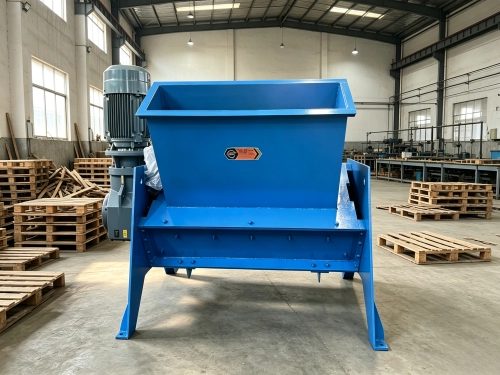
A twin-shaft shredder is built for punishment, but its lifespan is often cut short not by a single catastrophic event, but by repeated daily operational errors. Many owners focus on fixing major breakdowns, overlooking the fact that shop-floor habits determine the machine's true total cost of ownership. These mistakes create cumulative stress, accelerate wear on expensive components like shafts and cutters, and turn a powerful asset into a constant source of repair bills and downtime.
The difference between a shredder that lasts a decade and one that struggles after two years often comes down to how it is fed and cared for every single shift. Correcting these common, avoidable errors is the highest-return maintenance you can perform.
Mistake 1: Overloading and "Shock" Feeding
The most destructive habit is improper feeding. The temptation to save time by dumping a full bucket load into the hopper at once creates an instantaneous shock load. This can jam the rotors, spike hydraulic pressure or motor current, and send a damaging shockwave through the entire drivetrain. It's the mechanical equivalent of a car crash. Consistent, even feeding—ideally using a regulated conveyor—allows the machine to work at a steady, efficient capacity.
Mistake 2: Ignoring the "Hard to Soft" Feeding Rule
When processing a mixed batch containing both very hard and softer materials, the feeding order matters. Feeding hard material (like metal scraps) into an empty chamber puts direct, massive stress on the cutters and shafts. A better practice is to start with some softer material as a "cushion" in the chamber, which helps absorb impact and leads to more efficient cutting of subsequent hard items.
Mistake 3: Becoming Deaf to the Machine's "Language"
Operators can become desensitized to normal sounds, missing crucial warnings. A new persistent grinding, rhythmic banging, or high-pitched whine is not background noise; it's a fault code. Changes in vibration patterns or an unexplained rise in hydraulic oil temperature are critical alerts. Training your team to listen, feel, and stop the machine when something changes is essential for preventing minor issues from becoming major failures.
Mistake 4: Skipping the Pre-Start Inspection
Neglecting a five-minute walk-around inspection is a high-risk gamble. Checking for loose bolts, hydraulic leaks, damaged drive belts, or debris around the machine can prevent the vast majority of sudden, preventable stoppages. This simple habit has an enormous return on investment.
Mistake 5: Neglecting "Soft" Maintenance and Housekeeping
Maintenance isn't just about changing parts. Allowing dust and debris to build up on the machine—especially on electrical panels, motor cooling fins, and hydraulic oil coolers—causes overheating and component failure. A clean machine runs cooler and more reliably.
Mistake 6: Running with Dull Cutters Until They Break
Continuing to operate with worn, dull cutters forces the machine to crush and hammer material instead of shearing it cleanly. This dramatically increases energy consumption and places abnormal stress on shafts and bearings. Implementing a scheduled cutter inspection and rotation/replacement program based on material throughput is key to maintaining efficiency and protecting the drivetrain.
Conclusion: Proactive Care for Long-Term Performance
A shredder that is fed carefully, listened to actively, and maintained proactively will deliver lower operating costs and superior longevity.
Copyright: Copyright belongs to Hengju Machinery! Reprint please indicate the source: https://www.hengjumachinery.com/industry-news/twinshaft-shredder-the-6-most-common-daily-mistakes-that-cost-you-money.html
Needs Help? Let’s Get in Touch