Strategic Planning for an Efficient Scrap Appliance Shredding and Sorting Line
Turning a pile of discarded refrigerators, washing machines, and TVs into a stream of pure, high-value commodities requires more than just powerful machinery. It demands a meticulously planned, multi-stage system designed for safety, efficiency, and maximum material recovery. A well-designed scrap appliance recycling line is a symphony of mechanical, pneumatic, and electronic processes, each stage preparing the material for the next to extract the highest possible economic and environmental return.
Haphazard shredding leads to contaminated outputs, low purity, and missed revenue. The following strategic breakdown outlines the core stages of a modern, profitable appliance recycling line, moving from bulk reduction to pinpoint material separation.
Phase 1: Pre-Treatment and Primary Size Reduction
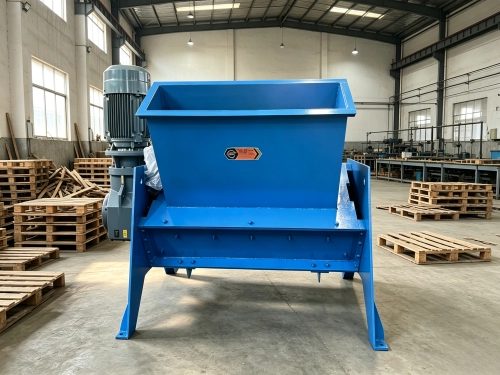
The process begins with careful de-manufacturing. This critical first step ensures safety and protects downstream equipment. Using a twin-shaft shredder, large appliances are initially broken apart. This stage allows for the safe, manual or robotic removal of hazardous components like refrigerator compressors (containing oil and refrigerant), mercury-containing lamps, lithium-ion batteries, and whole circuit boards. These are diverted to specialized, licensed processing streams.
The remaining bulky shells, cabinets, and metal frames are then fed into a heavy-duty shear or shredder to be reduced to manageable pieces, typically under 10cm. This step also strips away easily removable contaminants like plastic film, rubber seals, and surface oils, creating a cleaner feedstock for the next stage.
Phase 2: Crushing and Preliminary Metal Recovery
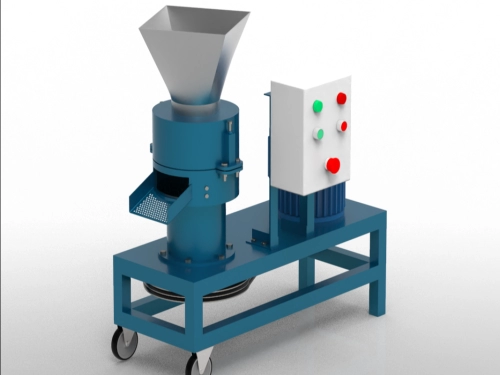
The pre-shredded material is then conveyed to the crushing station. Here, a hammer mill or crusher pulverizes it further into smaller, more uniform fragments (e.g., 2-5cm). This liberation step is crucial for freeing different materials adhered together.
Integrated at this stage is the first major recovery point: magnetic separation. A powerful overhead or drum magnet pulls out ferrous metals (iron and steel) immediately after crushing. This early removal protects downstream equipment from wear, reduces load, and yields a clean, high-purity steel stream. Dust suppression systems, like misting sprayers, are essential here to control particulate matter.
Phase 3: The Core: Precision Material Sorting Loop
This is the technological heart of the line, where the mixed material stream is purified into individual commodities. A sequential, cascading sorting process delivers the best results.
Magnetic Separation (Round 2): A second, more sensitive pass captures any remaining ferrous metals, ensuring near-total iron/steel recovery.
Eddy Current Separation: This key device uses a rapidly alternating magnetic field to repel non-ferrous metals like aluminum and copper, ejecting them from the main waste stream. It's highly effective for recovering whole pieces of wiring, motors, and aluminum trim.
Air Classification (Wind Sifting): A controlled air stream separates light materials (like insulation foam, fine plastics, and dust) from heavier metals and dense plastics. This significantly refines the feedstock for the final, most precise sorting stages.
Advanced Separation: The remaining mix of dense plastics and non-magnetic metals undergoes final purification. Sensor-Based Sorting (using NIR, color, or induction sensors) or Electrostatic Separation can precisely split copper from aluminum and sort different plastic types (ABS, PP, PS) by polymer, achieving the purities required by premium markets.
Phase 4: Final Processing and Resource Output
The sorted materials are now ready for valorization. Clean ferrous and non-ferrous metals are densified in a baler or crusher for efficient transport to smelters. Plastic flakes undergo washing, drying, and often agglomeration or pelletizing to become a true raw material for manufacturers.
A critical note: printed circuit boards (PCBs) removed in pre-treatment must be processed in dedicated, often chemical or thermal, precious metal recovery facilities to extract gold, silver, and palladium. They should never enter the main shredding stream.
Phase 5: Essential Environmental and Safety Controls
No modern plant operates without robust environmental safeguards. This includes a complete baghouse dust collection system with automatic pulse-jet cleaning across all dusty stages, acoustic enclosures on noisy equipment like shredders, and a water treatment loop for any process water used in washing. Hazardous waste removed during pre-treatment must be stored in a compliant, contained hazardous material storage area before licensed disposal.
Phase 6: Automation and Intelligence: The Modern Advantage
Efficiency is driven by automation. The entire line is connected by conveyor belts, elevators, and buffer hoppers, ensuring a continuous, regulated material flow. A central PLC control system monitors motors, amps, temperatures, and sorting efficiency, allowing for quick adjustments and diagnostics. For large-scale operations, integrating AI-powered optical sorters provides unparalleled sorting purity and adaptability, learning to distinguish between material types based on visual and spectral signatures.
Conclusion: From Cost to Profit Center
An appliance recycling line built on this strategic framework transforms a waste disposal cost into a predictable, profitable resource recovery operation. It prioritizes safety through hazardous material handling, maximizes revenue through sequential, high-purity material extraction, and ensures compliance through integrated environmental controls. By viewing old appliances not as trash but as an "urban mine," this systematic approach unlocks their true value, turning yesterday's electronics into tomorrow's raw materials.
Copyright: Copyright belongs to Hengju Machinery! Reprint please indicate the source: https://www.hengjumachinery.com/industry-news/strategic-planning-for-an-efficient-scrap-appliance-shredding-and-sorting-line.html
Needs Help? Let’s Get in Touch