What Drives the Cost of Activated Carbon Production?
The price tag on activated carbon isn't arbitrary. It's the sum of a complex equation involving raw materials, production choices, energy consumption, and regulatory compliance. Understanding these factors explains why a basic filter media costs pennies per kilogram, while a specialized medical-grade carbon can command a premium.
The Raw Material Foundation
Cost starts with what you're making it from. Inexpensive feedstocks like agricultural waste (straw, rice husks) or certain low-rank coals are often locally sourced by-products, keeping material costs minimal. The trade-off can be lower adsorption capacity or more inconsistent quality.
High-performance carbons typically come from premium, structured materials like coconut shells, specific hardwoods, or high-quality anthracite coal. These are often more costly to procure, may require long-distance shipping, and need rigorous pre-processing (drying, crushing) to become suitable for carbonization.
The Manufacturing Process: A Choice of Efficiency vs. Purity
Two main pathways—physical and chemical activation—lead to very different cost structures.
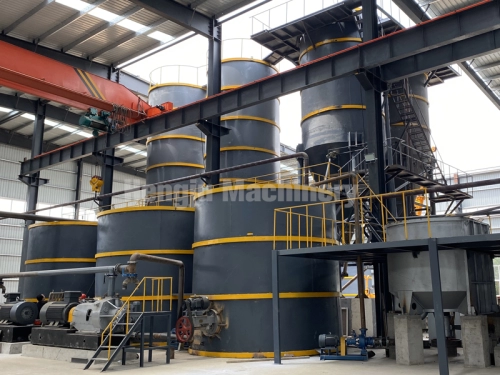
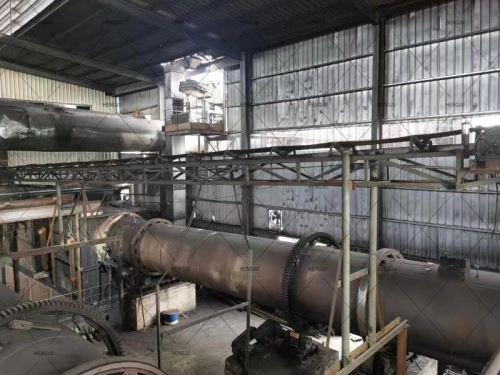
Physical activation (using steam or CO₂ at 800–1000°C) is energy-intensive. The high temperatures and lengthy processing times translate directly into significant fuel (gas, electricity) costs, often constituting 20-40% of the total production expense. The advantage is a pure, versatile product with no chemical residues.
Chemical activation (using agents like phosphoric acid or zinc chloride) operates at lower temperatures and is faster. However, it introduces major costs for the chemical reagents themselves and, critically, for the systems required to recover, treat, and dispose of the resulting chemical-laden wastewater. This method can be more economical for certain feedstocks but adds environmental compliance complexity.
The Overhead of Energy and Environmental Compliance
Energy is a constant, major cost driver, both for the intense heat of the furnaces and the power needed for material handling, grinding, and ventilation.
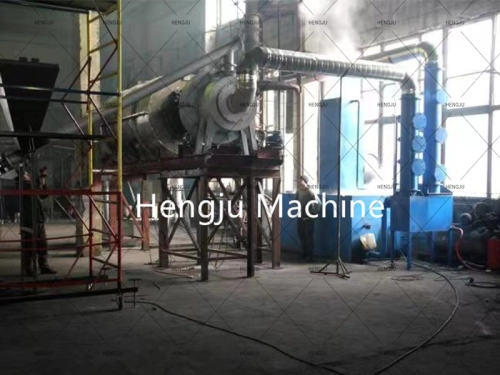
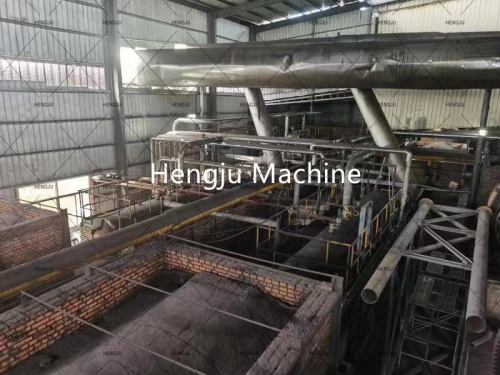
Furthermore, environmental controls are no longer optional. Treating exhaust gases (VOCs, particulates) and processing wastewater—especially from chemical plants—requires sophisticated and expensive equipment. The capital investment and ongoing operational costs for meeting emissions standards have become a significant, fixed part of the modern activated carbon business model.
Scale, Labor, and Market Dynamics
Finally, operational scale dictates efficiency. Large, continuous production lines spread fixed costs (equipment depreciation, management, lab control) over a greater output, lowering the cost per ton. Smaller, batch-operated facilities face higher per-unit costs.
Labor, quality control, packaging, and logistics add their share. Ultimately, global market dynamics—like a shortage of coconut shells in a key producing region—can cause raw material price volatility that ripples through to the final product cost.
The Bottom Line: A Balance of Performance and Price
In short, the cost of activated carbon is a direct reflection of the choices made to achieve a desired performance profile. Manufacturers constantly balance the quality and price of raw materials, the capital and operating costs of their chosen technology, the relentless expense of energy, and the growing burden of environmental stewardship. The final price is what makes a specific carbon viable for a specific job, whether it's cleaning drinking water or refining a pharmaceutical.
Copyright: Copyright belongs to Hengju Machinery! Reprint please indicate the source: https://www.hengjumachinery.com/industry-news/what-drives-the-cost-of-activated-carbon-production.html
Needs Help? Let’s Get in Touch