The Lifespan of Gold Recovery Carbon: What Determines It and How to Maximize It
A common question in gold processing is: how long does a batch of activated carbon last in the circuit? The honest answer is, it depends entirely on how you use and care for it. You might hear a general range of 10 to 20 adsorption-regeneration cycles, translating to roughly 1-2 years of service for high-quality carbon in a clean system. However, in a tough environment with lots of impurities, its life can easily fall to under a year.
Think of carbon not as having a fixed expiration date, but as having a "health bar" that depletes due to two main factors: chemical poisoning and physical wear. Managing these factors is what determines whether your carbon reaches its maximum potential lifespan.
The Core Challenge: Pores Get Clogged, Granules Get Worn
Over time, carbon loses effectiveness because its microscopic pores—the traps that catch gold—get blocked. Impurities in the ore slurry, especially things like copper, iron, or organic oils, latch onto these sites and won't let go, reducing the carbon's capacity to hold gold. This is chemical fouling.
At the same time, the carbon granules themselves are physically breaking down. The constant movement—agitation in tanks, pumping between stages, loading and unloading—slowly grinds them down into fine powder, which is lost from the system. Stronger carbon resists this better, but the wear never stops.
How to Push Your Carbon's Life to the Upper Limit
Getting the most out of your investment comes down to a few key operational choices:
Start with the Right Tool: This means choosing high-strength, granular coconut shell carbon (typically 6-12 mesh). Its inherent hardness and structure make it the most durable option, designed to withstand repeated cycling far better than softer alternatives.
Protect It from Poisons: The cleaner the slurry, the longer the carbon lasts. Where possible, use pre-treatment steps to remove or reduce major foulants like copper or organics before the slurry meets the carbon. This simple step can dramatically extend cycle counts.
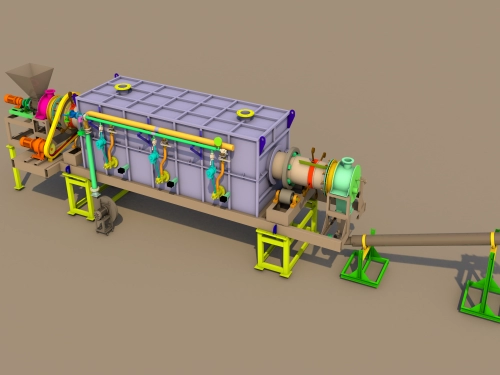
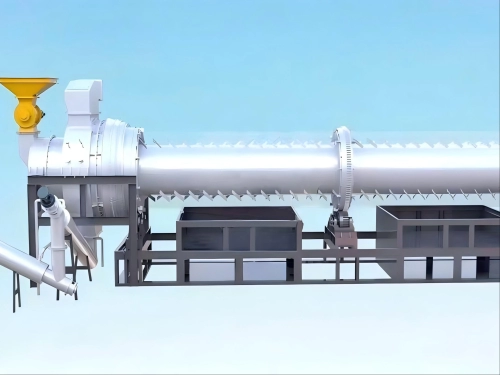
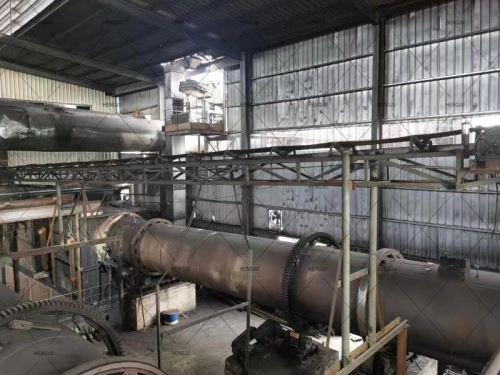
Give It a Proper "Reset": Thermal regeneration isn't just about burning off gold; it's about cleaning the pores. Skipping this or doing it poorly (with low temperature or short time) is the fastest way to kill your carbon. Ensure your reactivation kiln runs hot enough (800–950°C) with steam to truly restore the carbon's capacity. A good target is having its loading capacity return to 90% or more of the original after each cycle.
Handle with Care: Minimize physical abuse. This means optimizing agitator speed to just what's needed for good contact, and using gentle transfer systems between stages to reduce grinding and breakage. The less you beat it up, the more of it you'll have left in the circuit.
The Bottom Line
Carbon lifespan isn't a passive metric you simply observe; it's an active performance indicator you can manage. By selecting robust carbon, keeping your feed as clean as practical, committing to thorough regeneration, and minimizing mechanical wear, you directly control how long each batch remains effective. This proactive approach transforms carbon from a recurring consumable cost into a longer-lasting, high-return asset for your operation.
Copyright: Copyright belongs to Hengju Machinery! Reprint please indicate the source: https://www.hengjumachinery.com/industry-news/the-lifespan-of-gold-recovery-carbon-what-determines-it-and-how-to-maximize-it.html
Needs Help? Let’s Get in Touch