The Surprising Range of Materials That Make Great Activated Carbon
You might be surprised to learn what can be turned into powerful activated carbon. The key isn't a secret ingredient, but a simple rule: start with something rich in carbon that can be transformed into a microscopic sponge. Almost any dense organic material can work, but the best choices fall into two familiar groups, each creating carbon for different real-world jobs.
The Tough, Renewable Choices: From Coconut Shells to Sawdust
Much of the world's activated carbon comes from plant-based materials. These renewable sources are popular because their natural structure lends itself to creating pores.
For top performance, hard shells like coconut and palm kernel are the gold standard. They produce an incredibly hard, dense carbon with a very uniform pore structure, perfect for critical applications where purity and precision matter—think filtering your drinking water or recovering gold from ore.
More common materials like wood chips, sawdust, and bamboo are the versatile workhorses. They yield a cost-effective carbon excellent for larger-scale industrial uses, such as treating municipal wastewater or controlling odors in air filtration systems. Even agricultural leftovers like rice husks or nut shells can be effectively used, turning waste into a valuable filtration product.
The Industrial Powerhouse: Coal
For heavy-duty industrial applications, coal remains a fundamental raw material. Different types—like anthracite or bituminous coal—are processed into activated carbon known for its exceptional strength and a wide range of pore sizes. This makes it tough enough for harsh conditions and effective at capturing a broad spectrum of pollutants, which is why it's commonly used in chemical plants, for solvent recovery, and in scrubbing emissions from power plants.
How Inert Material Becomes "Active"
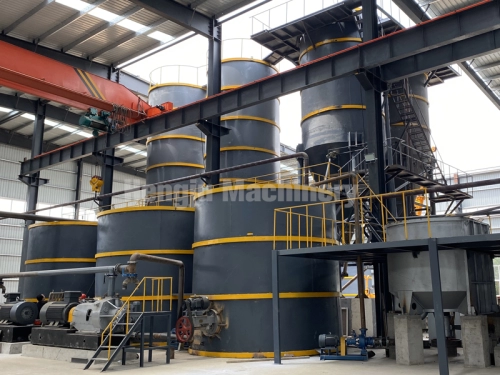
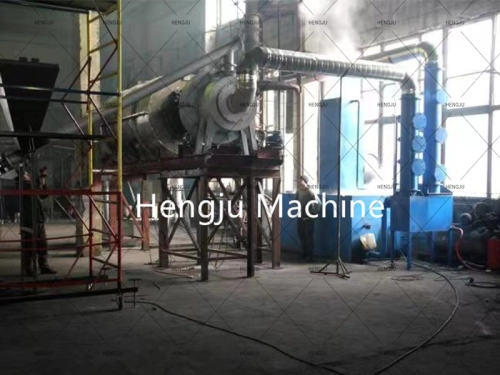
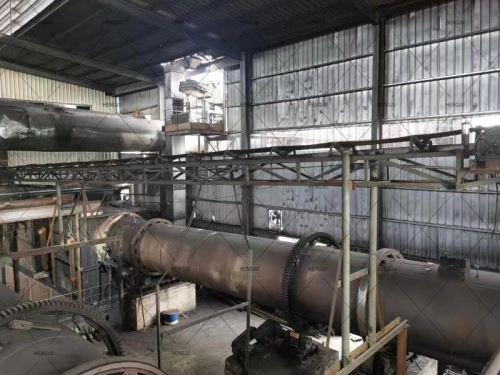
Turning a piece of wood or coal into a powerful adsorbent is a two-stage transformation. First, carbonization heats the material in a low-oxygen environment, burning away volatile elements and leaving behind a basic carbon char. The magic happens during activation, where that char is exposed to extreme heat (often with steam or CO₂) or specific chemicals. This process etches away at the carbon, carving out the vast network of microscopic pores that give the material its immense surface area and trapping ability.
Ultimately, the choice of material comes down to the specific task
Need a premium, precise filter for a sensitive process? Coconut shell carbon is likely the answer. Need a robust, all-purpose workhorse for an industrial scrubber? Coal-based carbon is probably the most economical and effective fit. The right starting material sets the foundation for the carbon's performance.
Copyright: Copyright belongs to Hengju Machinery! Reprint please indicate the source: https://www.hengjumachinery.com/industry-news/the-surprising-range-of-materials-that-make-great-activated-carbon.html
Needs Help? Let’s Get in Touch