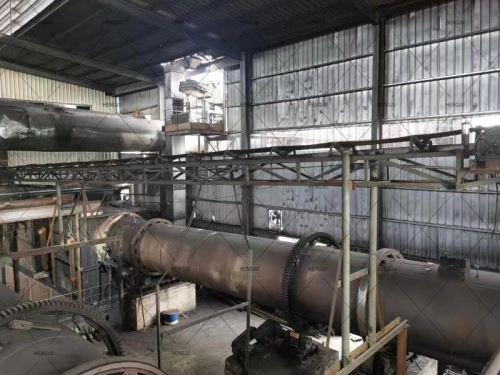
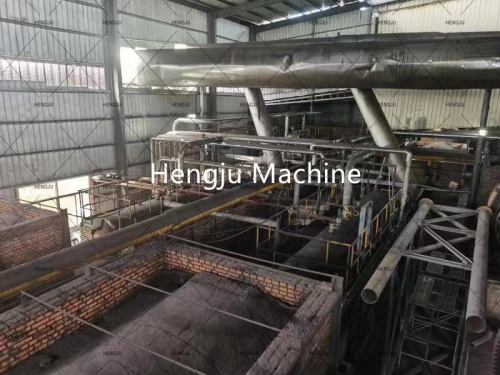
What is an Activated Carbonization Furnace Used For?
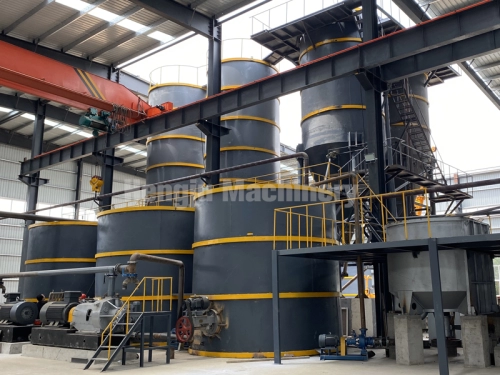
The first step in producing activated carbon is converting raw materials into char. This is where the activated carbonization furnace comes in. Its job is straightforward: take biomass materials like sawdust, coconut shells, and nut shells, heat them in an oxygen-free environment to break them down, and leave behind a carbon-rich solid—the carbonized material. Think of this material as the raw base that will eventually become activated carbon.
How Does the Carbonization Process Work?
Carbonization might sound technical, but the principle is simple. Raw material goes into the furnace, temperature rises gradually, and oxygen is kept out. As heat builds up, moisture inside the material evaporates first. When temperatures climb higher, into the two-to-three-hundred-degree range and beyond, volatile components like wood tar, wood vinegar, and combustible gases start escaping. What's left behind is a black solid with a high fixed carbon content—char.
The key here is oxygen control. Let oxygen in, and the material catches fire, eventually turning to ash. That's not char. So a carbonization furnace has to maintain a sealed or semi-sealed environment that lets heat in but keeps oxygen out.
How a Carbonization Furnace Works
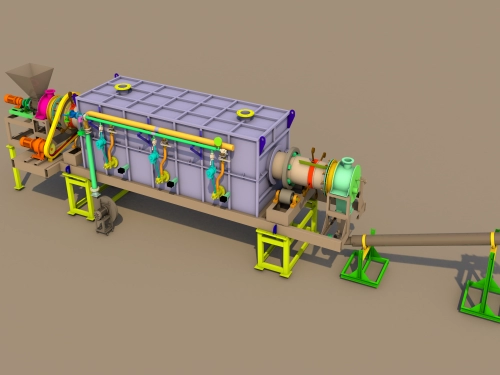
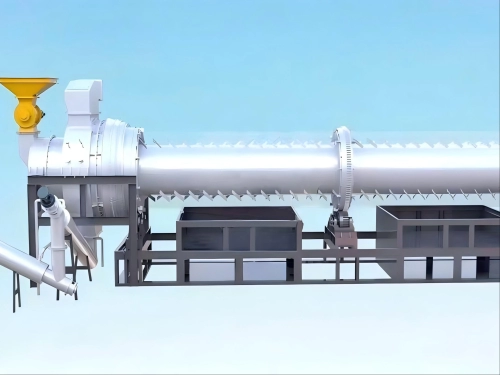
A typical carbonization furnace operates in three stages.
Step one is feeding and heating.
Raw material moves into the furnace through a conveyor system and starts heating up. The heat source can be gas, diesel, or even the combustible gases generated during carbonization itself. Well-designed systems recover those gases and burn them to keep the furnace running, saving quite a bit on fuel.
Step two is the carbonization reaction itself.
As temperatures gradually reach four to five hundred degrees, the material keeps breaking down. Volatile components continue escaping, while the solid part shrinks and darkens, eventually becoming carbonized material. This stage needs precise control over temperature and how long the material stays inside. Too cool and carbonization is incomplete; too hot and you lose too much carbon.
Step three is cooling and discharge.
Freshly carbonized material comes out hot—too hot to expose to air, or it'll ignite. It needs slow cooling in an oxygen-free environment until it reaches normal temperature. Only then can it be safely removed and sent to the next stage for activation.
What Makes a Good Carbonization Furnace?
A few things separate a good furnace from a mediocre one.
Uniformity matters.
Material going in should come out consistently carbonized, with no half-done chunks. That depends on even temperature distribution inside the furnace and good control over how long material stays in each zone.
Energy consumption counts.
Carbonization needs heat, but if you can capture the combustible gases the process generates and burn them to keep things running, you save real money on fuel.
Environmental performance is non-negotiable.
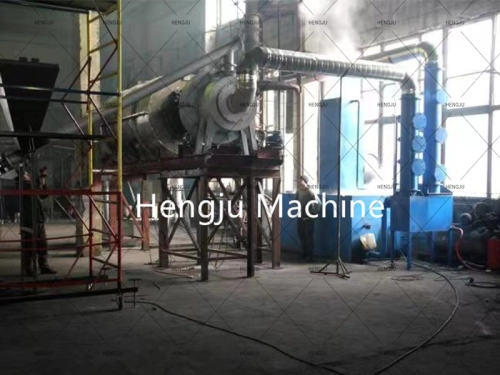
The process produces smoke containing tar and combustible gases—you can't just vent that. A good furnace collects those gases and burns or treats them, recovering energy while keeping emissions clean.
Durability is essential.
Furnaces run hot day in and day out. The materials they're made from need to handle both high temperatures and corrosion, or they won't last long.
What's Carbonized Material Good For?
The carbonized material coming out of this furnace does have some adsorptive capacity, but its pores aren't developed enough yet—adsorption power is limited. Its main destination is the activation furnace, where it gets transformed into真正的 activated carbon. Some places do use carbonized material directly for charcoal grilling, specialized industrial applications, or soil amendments, depending on quality and what's needed.
Bottom line
The activated carbonization furnace is the first piece of equipment on any activated carbon production line. It turns scattered biomass waste into stable, consistent carbonized material ready for further processing—laying the groundwork for high-quality activated carbon down the line. Choose your carbonization furnace carefully, and everything after gets a whole lot easier.
Copyright: Copyright belongs to Hengju Machinery! Reprint please indicate the source: https://www.hengjumachinery.com/industry-news/what-is-an-activated-carbonization-furnace-used-for.html
Needs Help? Let’s Get in Touch