The Real Levers to Pull: Cutting Activated Carbon Costs Without Cutting Corners
Talking about lowering production costs for activated carbon, most people's first instinct is to haggle with raw material suppliers. And sure, that helps. But after two decades in this business, I've seen too many factories get stuck on the "hidden costs"—the energy bills and process inefficiencies that silently eat into profits. Squeezing your supplier is just the first move. The real game is played elsewhere.
The truth is, sustainable cost reduction isn't about one big trick. It's a mindset that looks at every link in your chain, from the pile of raw material at your gate to the efficiency of your furnace. It's about working smarter, not just harder.
Let's break down where the real opportunities lie.
1. Optimize Pre-Treatment: The First Step to Savings
It starts before anything even hits the furnace. The goal of pre-treatment isn't perfection; it's "good enough for the job." If you're in a sunny region and your coconut shells arrive soaked, why blast them with expensive mechanical dryers immediately? A couple of days in a dedicated drying yard can use free solar energy to take the edge off the moisture, slashing your thermal energy bill later.
And be honest about what you're making. Producing carbon for a low-demand application like soil conditioning? You can likely skip the elaborate acid-washing and fine-screening for cleaner feedstock. A simple crush might be all it needs. Every step you eliminate saves time, chemicals, and overhead.
2. Rethink the Production Process: Integrated and Right-Spec
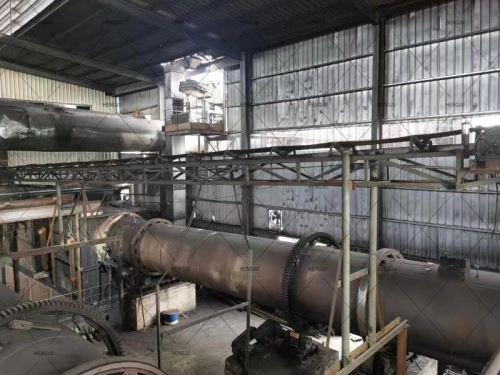
Then, there's the process itself. This is where the big wins are. One of the most impactful shifts we've seen is moving from the old two-step dance—carbonize, cool, then activate—to an integrated carbonization-activation process in a single reactor. The old way means heating up the whole system twice. The new way does it in one continuous thermal cycle. The savings on energy and equipment wear are substantial, not incremental.
Furthermore, match your product to its purpose. Don't manufacture a Formula 1 race car when your customer needs a reliable pickup truck. For preliminary industrial water filtration or agricultural uses, a larger particle size with a slightly lower adsorption value is often perfectly fine. This "right-spec-ing" allows you to streamline or remove costly finishing steps like fine grinding and air classification, directly lowering your cost per ton.
3. Tackle Energy and Environmental Costs with Smart Engineering
Now, let's talk about the twin giants: Energy and Environmental costs. This is where smart engineering pays for itself.
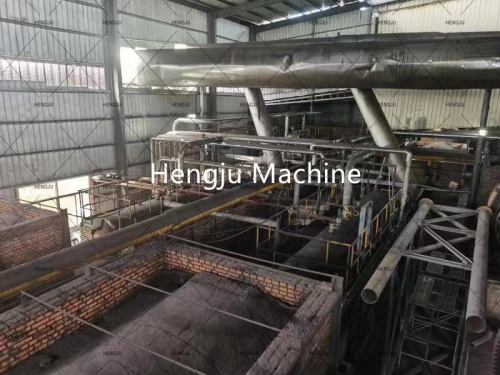
The hot exhaust gases from your kiln aren't just waste; they're a stream of free energy. Capturing this waste heat with a recovery system to pre-dry incoming feedstock is a classic example of turning a cost center into a savings account.
Next, scrutinize your fuel source. With the volatility of natural gas and coal prices, switching to biomass fuels (like processed wood waste or agricultural pellets) or tapping into waste heat from a neighboring plant (like a power station) can lock in long-term, lower-cost energy. We helped a plant in Southeast Asia transition to local rice husk pellets, cutting their fuel bill by over 40%.
On the environmental side, one size doesn't fit all. If local regulations allow, a robust cyclone separator paired with a basic carbon scrubber can effectively handle emissions for certain production types, avoiding the massive capital outlay for a full-scale desulfurization unit. For chemical activation wastewater, a simple settle-and-recycle system can dramatically cut down on fresh water consumption and treatment chemicals.
4. Leverage Scale and Automation
Finally, never underestimate the power of scale and smart operations. Yes, expanding your main production line spreads fixed costs (equipment, admin, quality control) over more tons, driving down the unit cost. But scale without efficiency is just a bigger mess.
Invest in strategic automation—like automated feeding and discharge systems. It reduces labor costs and, more importantly, minimizes human error and product variability, which is a huge hidden cost in waste and reprocessing.
And don't leave free money on the table. Actively research and apply for government incentives related to green manufacturing, energy efficiency, or using recycled feedstocks. These grants or tax breaks can significantly improve your final cost position.
Conclusion: A Continuous Process of Optimization
The bottom line? Truly lowering your cost to produce activated carbon is a holistic exercise. It's about questioning every step, from your yard management to your chimney. It's a continuous process of optimization, not a one-time project. The savings are there, often hidden in plain sight, waiting to be unlocked by a smarter approach.
Copyright: Copyright belongs to Hengju Machinery! Reprint please indicate the source: https://www.hengjumachinery.com/industry-news/the-real-levers-to-pull-cutting-activated-carbon-costs-without-cutting-corners.html
Needs Help? Let’s Get in Touch