How to Make Activated Carbon from Coconut Shells
Turning waste coconut shells into high-value activated carbon is a process that unlocks their natural porous potential. It's not just burning—it's a controlled transformation through four key stages: preparation, charring, activation, and finishing. Getting each step right determines the final product's adsorption power, strength, and market value.
Here's a straightforward look at how it's done, focusing on the practical goals behind each stage.
Step 1: Preparation – Clean & Dry
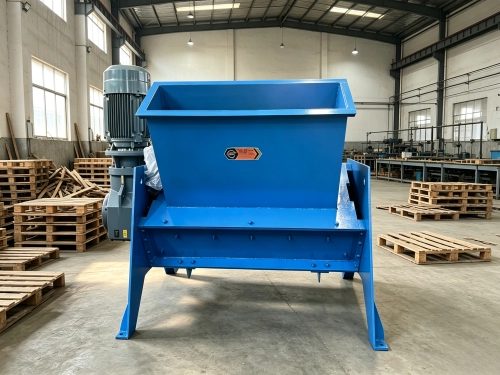
It all starts with clean shells. Raw coconut shells are collected, and any residual fiber or organic matter is removed. They are then crushed into uniform pieces, typically 2-5 cm. This consistent size is crucial for even processing later on.
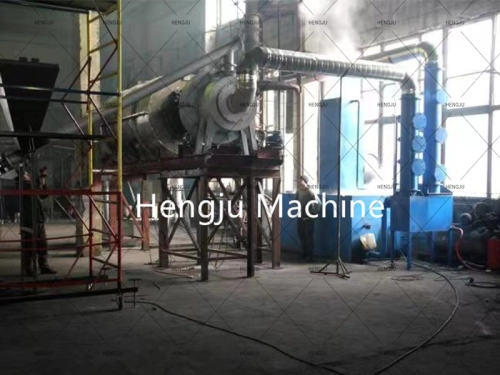
Next, the pieces must be thoroughly dried. Moisture is the enemy here. Shells are sun-dried or passed through a rotary dryer to reduce moisture content below 15%. If shells are too wet, the next stage wastes immense energy boiling off water instead of creating char, resulting in poor yield and weak structure.
Step 2: Carbonization – Making the "Char Base"
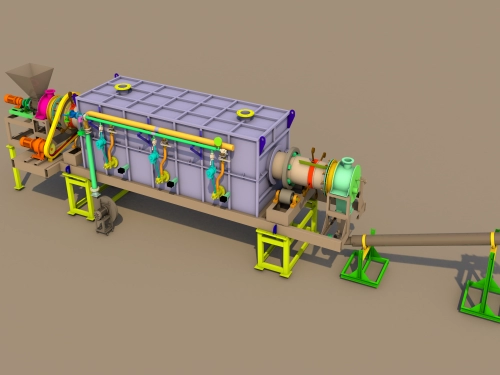
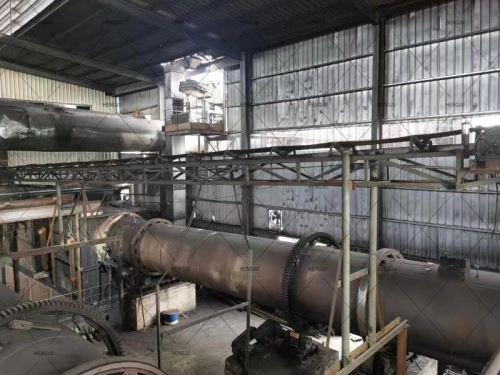
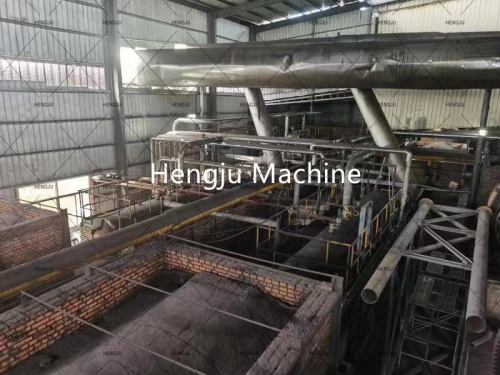
The dried shell pieces are loaded into a carbonization furnace (like a continuous kiln). In a low-oxygen environment, they are heated to 350-450°C. This drives off water and volatile compounds, leaving behind a carbon-rich material called "char."
At this point, the char is brittle and has a rudimentary pore structure, but not yet the vast internal surface area that defines true activated carbon. Think of it as creating a blank canvas of pure carbon.
Step 3: Activation – Creating the Micro-Pores
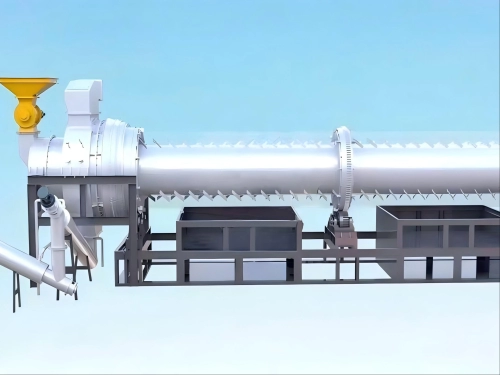
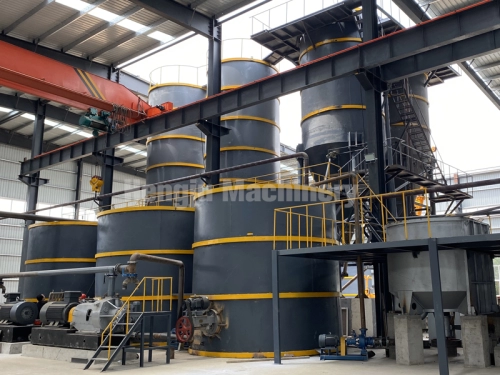
This is the essential step that turns ordinary char into powerful activated carbon. The char is moved to a high-temperature activation furnace (often a rotary kiln or vertical furnace). Here, it's exposed to an activating agent—usually superheated steam or carbon dioxide—at temperatures between 800°C and 1000°C.
At these intense heats, the activating gas reacts with the carbon in a controlled "etching" process. It selectively burns away internal carbon atoms, carving out a complex network of micro-pores and meso-pores. This dramatically expands the surface area from a few square meters per gram to over 1000 m²/g, creating the microscopic "sponge" that gives activated carbon its remarkable adsorption capacity.
An alternative method is chemical activation: the raw shells are first impregnated with agents like phosphoric acid or zinc chloride, then heated to a lower temperature (400-600°C). This method can create different pore structures and is often more energy-efficient.
Step 4: Finishing – Washing, Drying & Grading
Freshly activated carbon is cooled and then washed, often with water followed by a dilute acid rinse. This removes any residual ash, chemicals, or loose particles from the pore channels. A final drying stage brings the moisture content down to a standard level (typically under 5%).
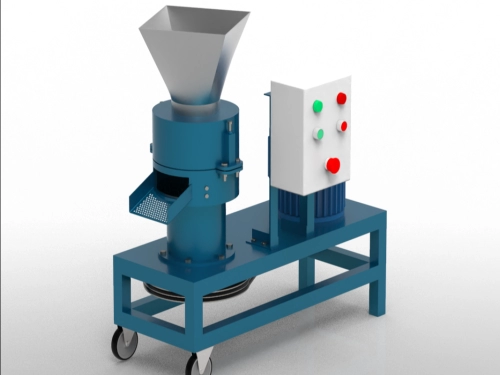
The finished product is then crushed and screened into different particle size grades—from granular (GAC) to powdered (PAC)—to suit various applications, from water filters to air purification systems.
The Core Principle
The entire process is about building and then refining an internal labyrinth. Preparation and carbonization create a stable carbon skeleton. Activation aggressively expands its hidden surface area. Proper finishing ensures purity and performance. By carefully controlling temperature, time, and atmosphere at each stage, low-value coconut shells are transformed into a highly effective and sustainable filtration material.
Copyright: Copyright belongs to Hengju Machinery! Reprint please indicate the source: https://www.hengjumachinery.com/industry-news/how-to-make-activated-carbon-from-coconut-shells.html
Needs Help? Let’s Get in Touch