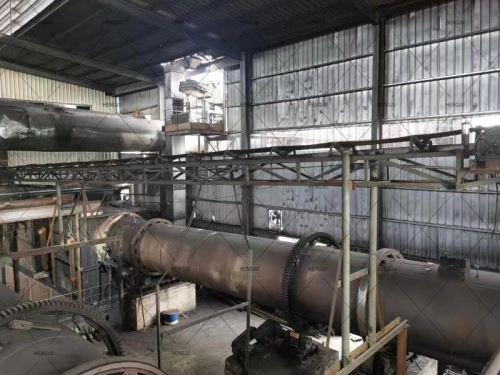
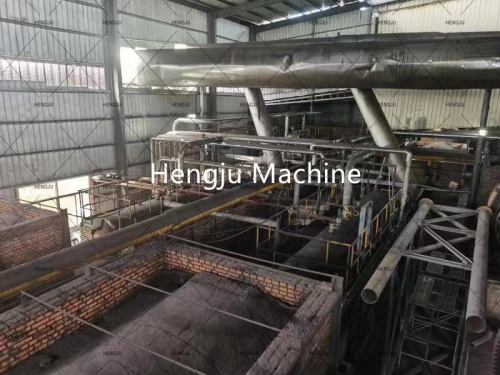
Continuous Carbonization Furnace vs. Traditional Batch Carbonization Furnace: Key Differences Explained
In industrial carbonization processes, selecting the right furnace technology can significantly impact operational efficiency, environmental compliance, and product quality. Below, we break down the critical distinctions between continuous carbonization furnaces and traditional batch carbonization furnaces, focusing on their mechanisms, advantages, and ideal use cases.
1. Operational Workflow: Automation vs. Manual Intervention
Continuous Carbonization Furnace
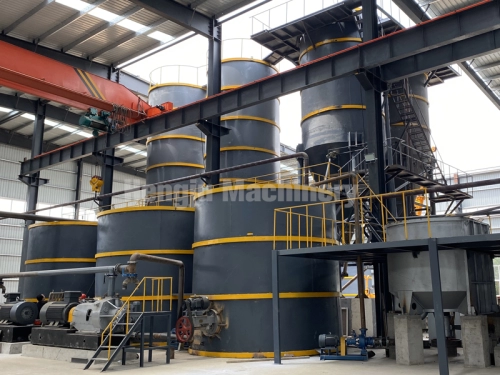
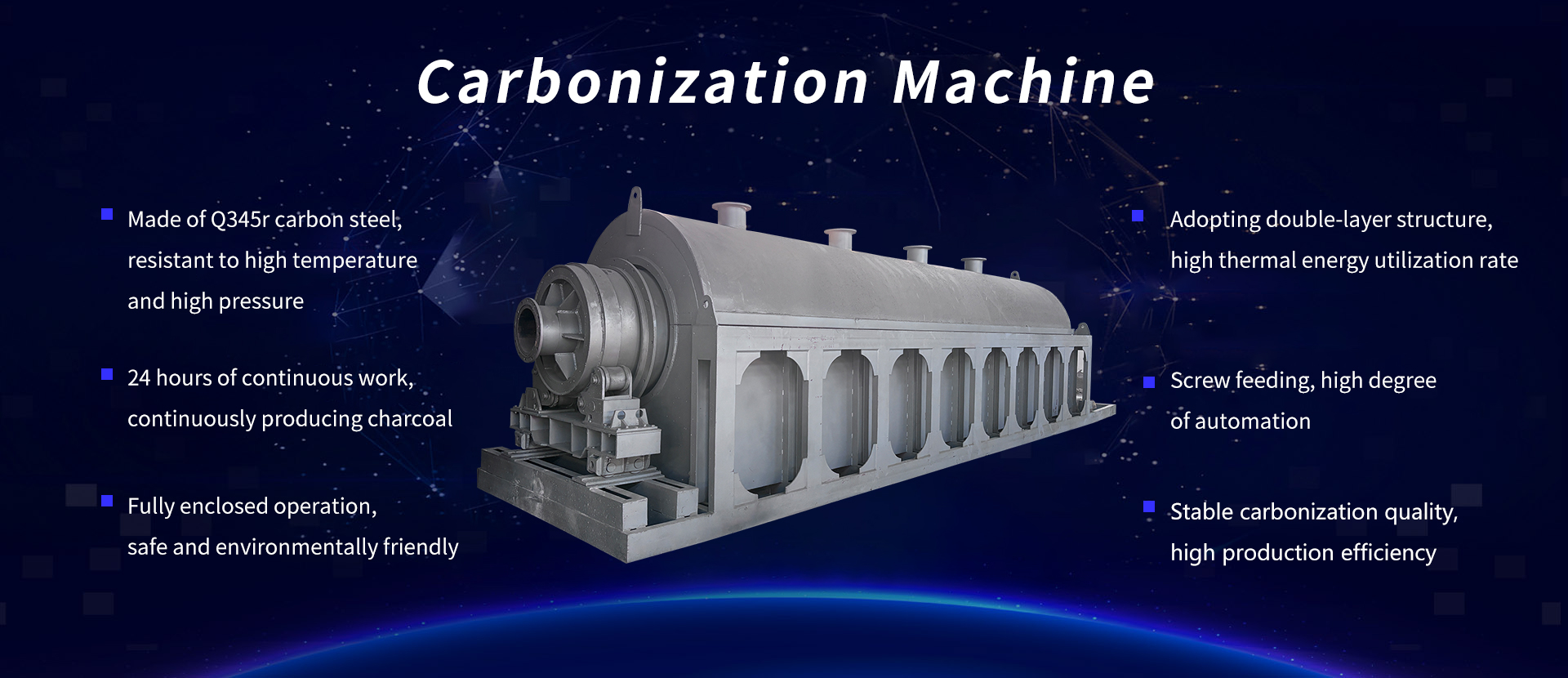
Uninterrupted Processing: Feeds raw biomass (e.g., wood, coconut shells, rice husks) continuously into the furnace via conveyor belts or screw feeders.
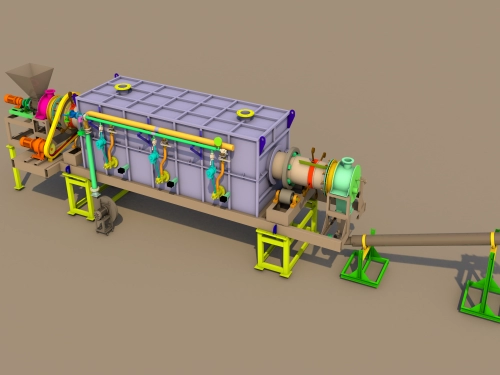
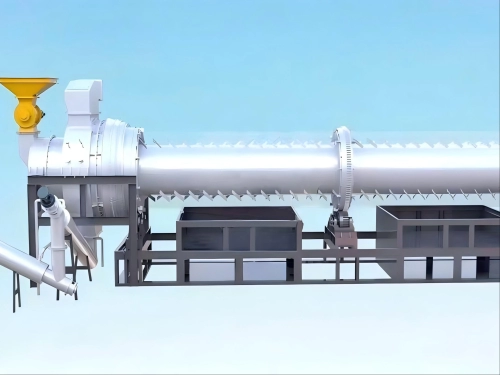
Staged Heating Zones: Material moves through preheating, pyrolysis, and cooling chambers in a single flow, ensuring consistent carbonization without shutdowns.
Automated Control: Sensors and PLC systems adjust temperature (typically 400–600°C), oxygen levels, and residence time in real time.
Batch Carbonization Furnace
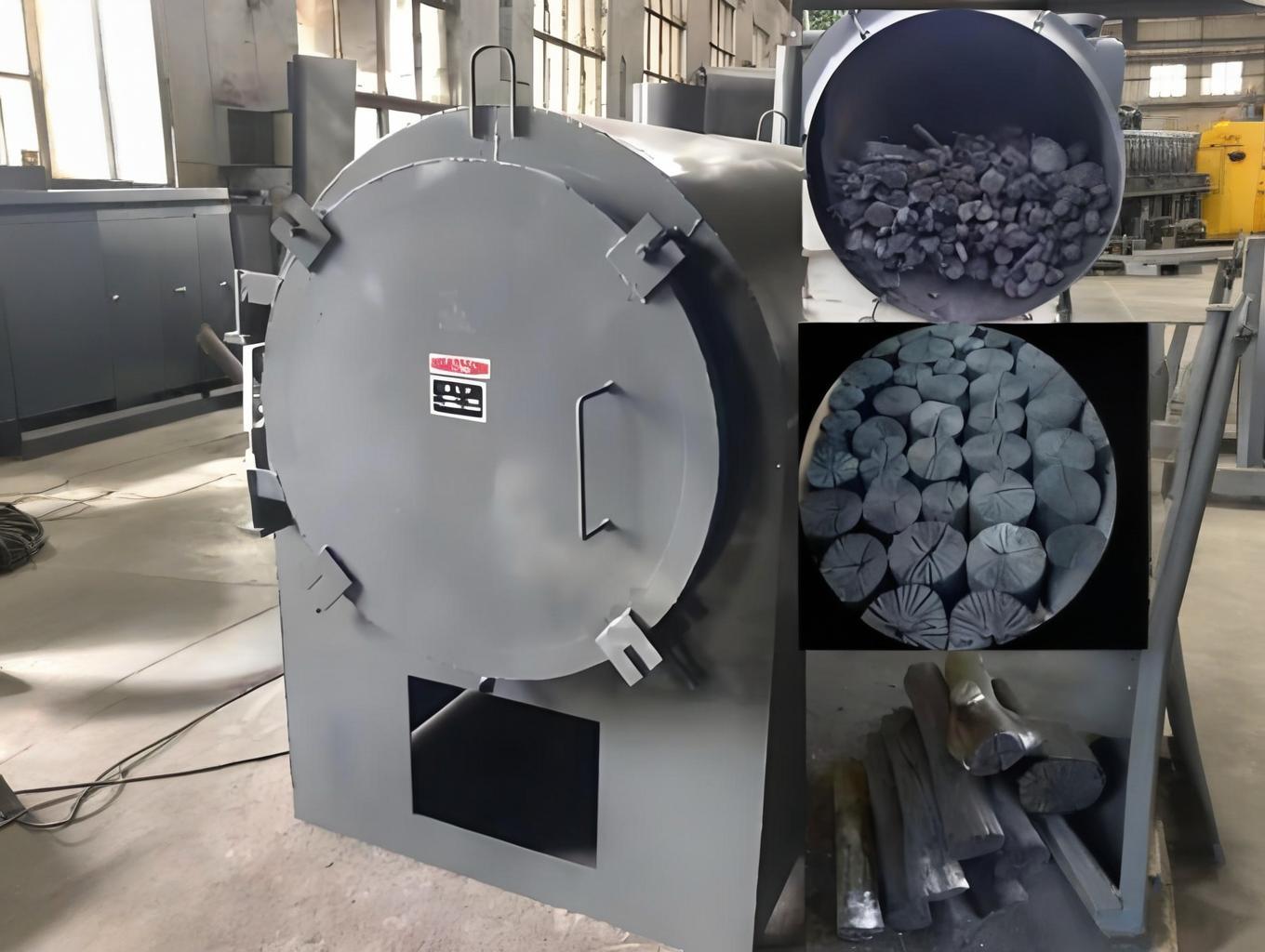
Cyclic Loading: Requires manual loading/unloading of materials in fixed batches.
Inconsistent Heating: Entire batch is heated/cooled as a unit, risking uneven carbonization (e.g., charred edges vs. underprocessed cores).
Downtime: Each batch demands cooling, ash removal, and reloading, reducing daily throughput.
Key differentiator: Continuous systems eliminate idle time, achieving 24/7 production—ideal for large-scale operations.
2. Energy Efficiency & Emissions
Continuous Carbonization Furnace
Gas Recycling: Captures and reuses syngas (CO, H₂, CH₄) generated during pyrolysis to fuel the furnace, cutting external energy needs by 30–50%.
Lower Emissions: Closed-loop design minimizes smoke release; volatile organic compounds (VOCs) are combusted internally.
Batch Carbonization Furnace
Higher Fuel Consumption: Lacks gas recovery systems, relying on external fuels (e.g., propane, coal) for each batch.
Pollution Risks: Frequent door openings release unburned gases and particulates, requiring costly scrubbers to meet EPA standards.
Why it matters: Continuous models align with stricter environmental regulations and ESG goals.
3. Output Quality & Versatility
Continuous Carbonization Furnace
Uniform Product: Precise temperature control yields homogeneous biochar with fixed carbon content (70–90%) and minimal ash.
Flexible Feedstock: Handles variable sizes/moisture levels (e.g., wet sawdust, large wood chips) without preprocessing.
Batch Carbonization Furnace
Inconsistent Results: Manual adjustments lead to batch-to-batch variability, limiting applications in premium markets (e.g., activated carbon production).
Feedstock Limitations: Requires pre-drying and size standardization to avoid clogging or incomplete carbonization.
Takeaway: Continuous furnaces ensure repeatability for high-value carbon products.
4. Cost-Benefit Analysis
| Factor | Continuous Carbonization Furnace | Batch Carbonization Furnace |
|---|---|---|
| Upfront Cost | Higher (automation, advanced controls) | Lower (simpler design) |
| Labor | 1–2 operators for monitoring | 4–6 workers for loading/cleaning |
| Maintenance | Predictive alerts reduce downtime | Frequent repairs due to thermal stress |
| ROI Timeline | 18–24 months (high-volume operations) | 12–18 months (small-scale use) |
5. When to Choose Which?
Opt for Continuous Carbonization Furnaces if:
Scaling production (>5 tons/day).
Targeting carbon credit programs or eco-certifications.
Processing diverse, non-uniform feedstocks.
Batch Furnaces Suit:
Pilot projects or R&D trials.
Low-budget operations with intermittent demand.
Conclusion
While batch carbonization furnaces remain a low-barrier entry for small producers, continuous carbonization furnaces dominate modern industries prioritizing efficiency, sustainability, and scalability. By integrating automation, energy recovery, and emission controls, continuous systems future-proof operations against rising regulatory and market pressures—making them the definitive choice for high-output biochar, charcoal, and carbon black production.
Copyright: Copyright belongs to Hengju Machinery! Reprint please indicate the source: https://www.hengjumachinery.com/industry-news/continuous-carbonization-furnace-vs-traditional-batch-carbonization-furnace-key-differences-explained.html
Needs Help? Let’s Get in Touch