5 Common Mistakes When Buying a Biomass Pellet Mill (And How to Avoid Them)
Purchasing a biomass pellet mill is a major capital decision. The temptation to find the "best deal" or the machine with the highest horsepower can lead to costly, long-term regrets. A pellet mill isn't a commodity; it's the core of your production line, and choosing the wrong one means living with poor reliability, high operating costs, and endless frustration. The most expensive machine is often the one you bought cheaply.
These mistakes are common in the industry, often made by focusing on flashy specifications instead of practical, long-term performance. By understanding these pitfalls, you can make an informed choice that leads to years of profitable operation, not years of repair bills.
Mistake #1: Chasing Horsepower Over Torque and Design
It's easy to be dazzled by a big motor number. However, raw horsepower is less important than torque and how that power is transmitted. Pelletizing is a high-torque, high-pressure process. A machine with a robust gearbox designed to deliver massive torque at low shaft RPM will outperform a high-speed, high-horsepower machine with a weak transmission every time. The goal is powerful, consistent compression, not just a fast-spinning shaft. Ask about torque at the main shaft and the construction of the gearbox and bearings. This engineering is what overcomes the resistance in the die.
Mistake #2: Treating the Die as an Afterthought
The pellet mill frame and motor are just the delivery system. The die and roller assembly are the tool that does the actual work. Many buyers focus on the machine price and treat the die as a cheap consumable. This is backwards. Investing in a high-quality, properly specified die from a reputable manufacturer is critical. A cheap die will wear out in a fraction of the time, produce inconsistent pellets, and cause constant downtime. Your die choice—its alloy, compression ratio, and hardening process—will have a greater impact on your operating cost and product quality than almost any other factor. Budget for quality tooling from the start.
Mistake #3: Underestimating the "Front-End" and "Back-End"
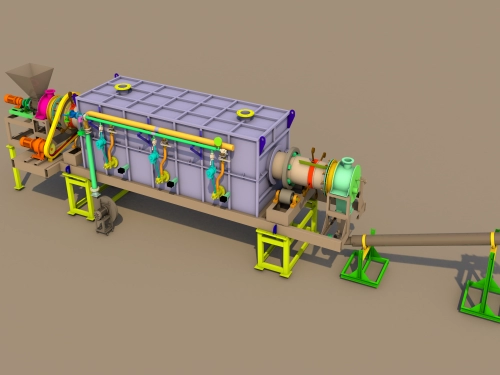
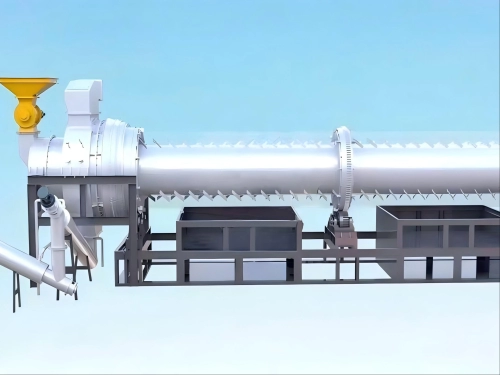
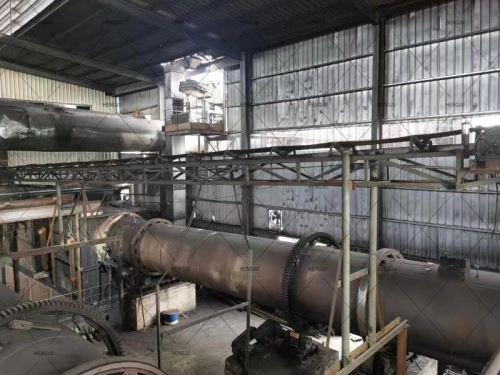
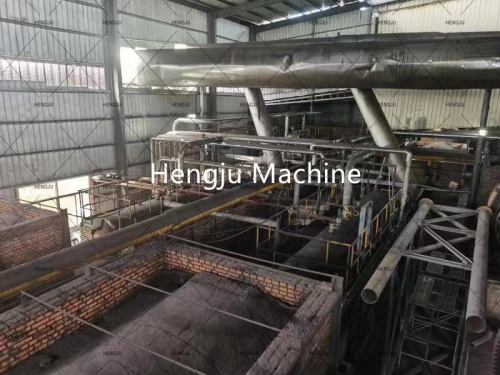
The pellet mill itself is only one station in a complete line. A critical mistake is not budgeting for the necessary auxiliary equipment. You will need a hammer mill or grinder to prepare raw material, a dryer to control moisture, a cooler to stabilize hot pellets, and screening to remove fines. Neglecting these means your shiny new mill will sit idle, waiting for properly prepared feedstock or struggling with wet, coarse material. Plan and budget for the entire system, not just the centerpiece.
Mistake #4: Ignoring Your Specific Raw Material
A pellet mill is not universal. Machines are often optimized for different material types—softwood, hardwood, straw, or mixed agricultural waste. The worst thing you can do is buy a machine designed for pine shavings and then try to run oak through it. You must provide potential suppliers with detailed samples of your actual feedstock. Let them test it. The machine's design, from the feeder to the die specification, must be matched to the fiber length, density, and lignin content of your specific material.
Mistake #5: Choosing Based on Price Alone (and Forgetting Service)
The initial purchase price is just the entry fee. The real cost is in total cost of ownership: maintenance, parts availability, energy consumption, and support. A slightly cheaper machine from a supplier with no local presence or poor spare parts inventory will cost you a fortune in downtime. When a critical part breaks, can you get it in 24 hours, or do you wait six weeks for a shipment from overseas? Choose a manufacturer or distributor with a proven track record of technical support and readily available wear parts. The peace of mind and continued production are worth a higher initial investment.
Making a Smart Purchase
Making a smart purchase means looking beyond the brochure. It requires evaluating engineering, planning the full system, matching technology to your material, and choosing a partner who will support you for the life of the machine. Do your homework upfront, and your pellet mill will be a profit center for years to come.
Copyright: Copyright belongs to Hengju Machinery! Reprint please indicate the source: https://www.hengjumachinery.com/industry-news/5-common-mistakes-when-buying-a-biomass-pellet-mill-and-how-to-avoid-them.html
Needs Help? Let’s Get in Touch