Why should activated carbon be pickled?
The main purpose of pickling activated carbon is to remove impurities in activated carbon, mostly heavy metals. On the other hand, it is to adjust the pH value of activated carbon.
For pickling, it is more used for water treatment. Generally, granular activated carbon and powdered activated carbon are more often used for pickling. Pillar activated carbon is rarely used for pickling. This is of course inseparable from the purpose of columnar activated carbon. Columnar activated carbon is mainly used for the adsorption of industrial waste gases, and common industrial waste gases are generally acidic. Therefore, if columnar activated carbon is also subjected to acid treatment, it will basically not be able to achieve good adsorption and purification effects on industrial acidic gases.
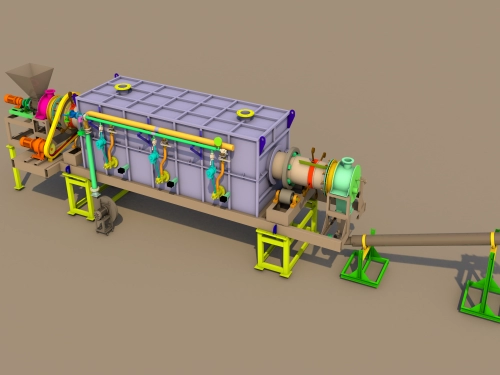
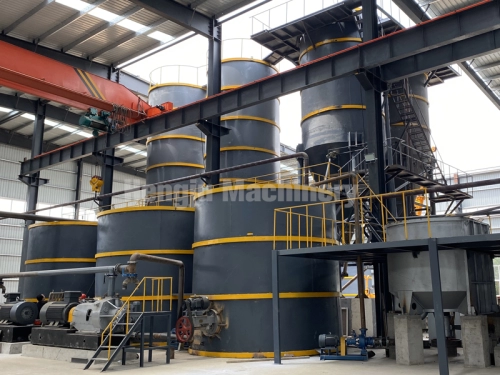
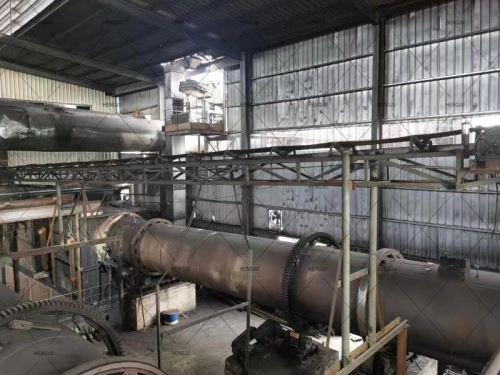
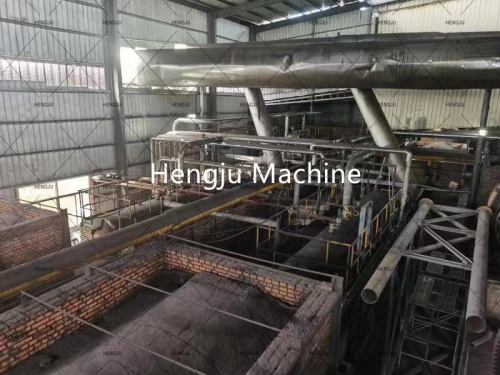
Generally, there are pickling tanks and water washing tanks, that is, the activated carbon is pickled first and then washed with water. When pickling, the ratio of activated carbon, industrial hydrochloric acid, and water is best kept at 10:1:50. If 1 ton of activated carbon is added, 100kg of hydrochloric acid and 5000kg of water are required. The concentration of hydrochloric acid can be maintained at 36%. After that, you can use the waste heat steam from the high-temperature activation furnace to heat the pickling tank. Cover it and boil it in an acidic solution of industrial hydrochloric acid for about 1 hour. Then turn off the steam and wait for the pickling tank to cool down before washing the granular activated carbon with water. After washing with water in the pool, the remaining toner can be suctioned and filtered by a vacuum filter car and placed in the water washing pool.
Copyright: Copyright belongs to Hengju Machinery! Reprint please indicate the source: https://www.hengjumachinery.com/industry-news/6this-is-a-news-article-about-the-crusher-industry.html
Needs Help? Let’s Get in Touch