Why Stainless Steel Active Carbon Furnaces Are the Smart Choice for Modern Processing
When it comes to activating, regenerating, or processing active carbon on an industrial scale, the choice of equipment is critical. Increasingly, stainless steel active carbon furnaces are emerging as the preferred solution over traditional refractory-lined kilns. Their advantages aren't just about the material itself, but how its inherent properties translate into tangible operational benefits: lower costs, superior reliability, and cleaner production.
This article explores the core advantages that make stainless steel furnaces a standout investment for businesses focused on efficiency and quality.
Core Advantages in Design and Durability
The foundation of a stainless steel furnace's performance lies in its construction. Made from high-temperature resistant grades like 310S stainless steel, these furnaces are built to last. They can withstand continuous operational temperatures of 1000-1100°C without significant oxidation or thermal fatigue, preventing the warping and cracking that plagues lesser materials.
This durability is matched by exceptional chemical corrosion resistance. The furnace shell and internal components can tolerate the harsh environments common in active carbon processing, including exposure to steam, acidic or alkaline gases, and organic volatiles released during regeneration. This dramatically reduces corrosion-related wear and extends the maintenance cycle.
Furthermore, the smooth, non-porous interior is easy to clean and prevents carbon residue buildup or scaling. This ensures high product purity, making these furnaces ideal for industries with strict hygiene standards, such as food, beverage, and pharmaceutical applications.
Superior Process Control and Adaptability
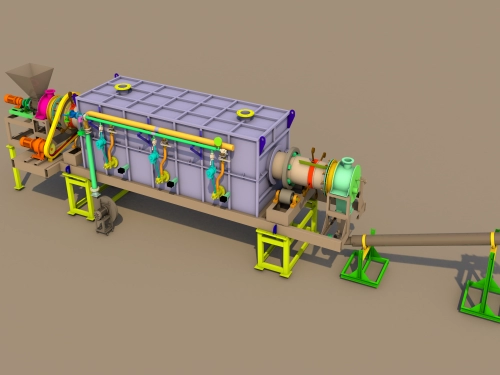
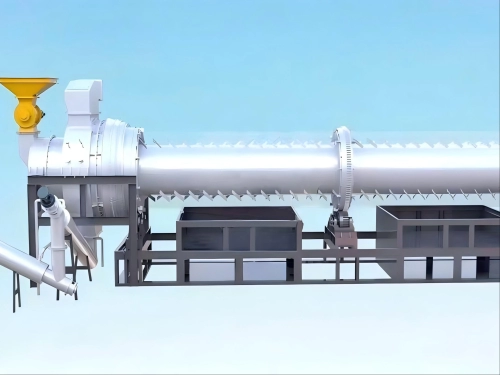
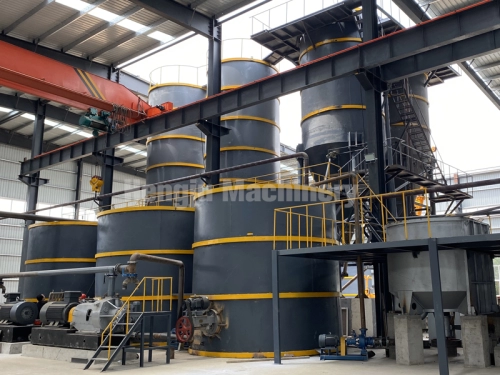
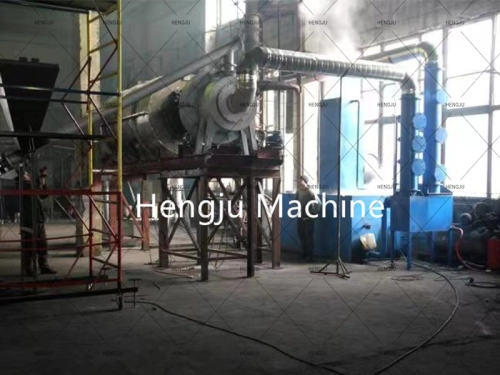
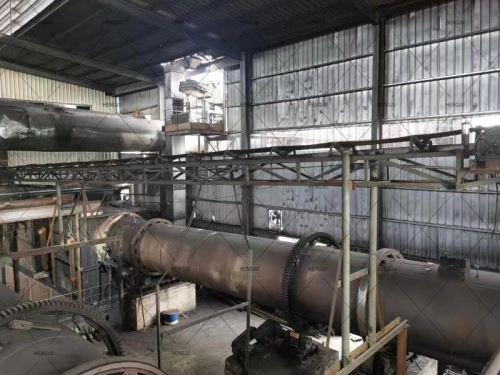
Beyond durability, these furnaces excel in process performance. Designed for continuous or batch operation, often with rotary or tubular configurations, they ensure uniform material mixing and precise control over residence time. This leads to highly consistent product quality, whether for activation or regeneration, and enables large-scale throughput.
A key strength is precision temperature control, with capabilities as tight as ±1°C in stable conditions. Support for multi-stage heating profiles (drying, volatilization, activation, cooling) allows fine-tuning for different carbon sources or regeneration requirements. The system also supports inert or controlled atmospheres (Nitrogen, Argon, Steam), protecting the carbon from oxidation and maximizing yield.
Operational Efficiency and Cost-Effectiveness
The benefits directly impact the bottom line. The stainless steel retort, combined with high-efficiency insulation like ceramic fiber modules, minimizes heat loss. This results in faster heat-up times, superior heat retention, and significantly lower energy consumption—a major advantage for continuous 24/7 operations.
Mechanically, designs like rotary furnaces are robust with few moving parts, leading to high reliability and low failure rates. Advanced automation reduces the need for manual intervention, cutting labor and operational management costs. When maintenance is required, features like split-housing designs make components like the retort easily accessible for inspection, cleaning, or replacement, minimizing costly downtime.
Enhanced Safety and Environmental Compliance
Modern production demands a focus on safety and emissions. These furnaces offer excellent sealing performance, which, when integrated with proper gas collection and treatment systems (scrubbers, RTOs), effectively contains and processes organic volatiles and dust. This ensures compliance with stringent environmental regulations.
Integrated safety is paramount. Built-in protections against over-temperature, thermocouple failure, and electrical faults are standard. Additionally, the effective insulation keeps the external furnace surface temperature low (often ≤45°C), reducing burn risks for personnel and improving workplace safety.
Versatile Applications
The adaptability of stainless steel furnaces extends beyond active carbon. They are perfectly suited for processing various carbon forms (granular, pelletized, powdered) for activation or thermal regeneration. Their utility also covers high-temperature treatment of other materials, such as battery cathode materials or metal powders, serving industries from chemicals and environmental technology to metallurgy and pharmaceuticals. They are scalable from pilot R&D units to large multi-tube production systems.
Direct Comparison: Stainless Steel vs. Traditional Furnaces
| Aspect | Stainless Steel Active Carbon Furnace | Traditional Refractory-Lined Furnace |
|---|---|---|
| High-Temperature Resistance | Excellent (up to 1100°C), with superior resistance to thermal shock and fatigue. | Very high peak temperature rating, but refractory lining is prone to spalling and cracking over time. |
| Corrosion Resistance | Very high. Inherently resists chemical attack from process gases. | Good chemically, but weak against mechanical impact and thermal stress which damage the lining. |
| Maintenance & Cleanability | Low. Smooth interior allows easy cleaning; modular parts enable fast repair. | High. Lining repair is costly and time-consuming; rough surface can trap material. |
| Thermal Efficiency | High. Low thermal mass and advanced insulation reduce energy use. | Lower. High thermal mass of refractory leads to slower heat-up and greater heat loss. |
| Process Consistency | Excellent. Precise temperature and atmosphere control ensure uniform results. | Can be variable due to less precise control and potential hot spots in the lining. |
Conclusion
The stainless steel active carbon furnace represents a significant technological step forward, offering a compelling combination of durability, process precision, operational economy, and environmental compliance. For any operation prioritizing long-term reliability, product purity, and total cost of ownership—whether in dedicated carbon processing or high-temperature material treatment—it presents a future-proof solution that enhances both production efficiency and sustainability.
Copyright: Copyright belongs to Hengju Machinery! Reprint please indicate the source: https://www.hengjumachinery.com/industry-news/why-stainless-steel-active-carbon-furnaces-are-the-smart-choice-for-modern-processing.html
Needs Help? Let’s Get in Touch