Breaking Down the Real Cost of Chemical Activation for Active Carbon
Producing high-quality active carbon through chemical activation is a powerful method, but its economic viability hinges on understanding a complex cost structure. While often praised for creating carbons with exceptional surface area, the true expense involves far more than just raw materials. For plant managers and businesses evaluating this production route, a clear breakdown of both direct and indirect costs is essential for accurate budgeting and identifying efficiency opportunities.
Unlike simpler thermal processes, chemical activation weaves material, energy, and post-processing costs into a tightly linked chain, where each variable significantly impacts the bottom line.
The Direct Cost Drivers: Raw Materials, Chemicals, and Energy
Direct costs typically account for 70-80% of total production expenses, dominated by a few key components.
Raw Material & Preparation
The process starts with a suitable carbon-rich feedstock like coconut shells, wood chips, or nut shells. Higher-quality inputs like coconut shell char command a premium (15-20% of direct costs) due to their superior natural pore structure. Before activation, these materials incur preprocessing costs for drying, crushing, and screening to achieve a uniform low moisture content (<10%), which is critical for consistent chemical impregnation.
Chemical Agent: The Core Cost Factor
This is the single most significant direct expense. The choice between alkaline agents like KOH (potassium hydroxide) and acidic ones like H₃PO₄ (phosphoric acid) has major cost implications. KOH, while highly effective, is expensive and can constitute 30-40% of direct costs. H₃PO₄ offers a somewhat lower-cost alternative at 25-30%. The high chemical-to-biomass impregnation ratio (often between 1:1 and 3:1) means consumption volumes are substantial. Since most chemical agents are not fully recoverable, this becomes a recurring, high-volume consumable expense.
Energy Inputs for Activation
The activation itself occurs at moderate temperatures (400-800°C), lower than those required for physical activation. Energy costs for heating (using gas or electricity) thus represent a smaller, though still significant, portion (10-15% of direct costs). An additional, often overlooked energy cost is the continuous supply of inert gas (like nitrogen) needed to create an oxygen-free environment in the furnace, preventing combustion and ensuring proper reaction, adding another 5-8% to the bill.
The Critical and Costly Post-Processing Stage
Once activated, the carbon carries residual chemical agents that must be completely removed, leading to a resource-intensive purification phase.
Washing, Neutralization, and Drying
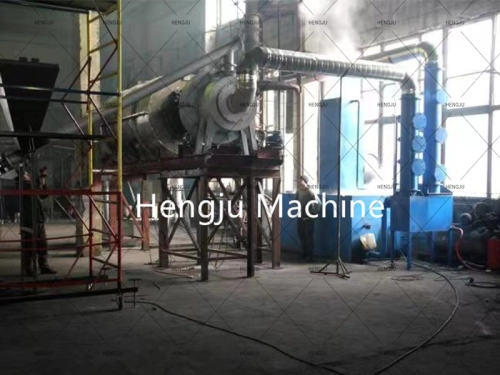
The carbon must undergo extensive washing with large volumes of water to leach out chemicals, making water consumption and wastewater fees a major line item (10-15% of direct costs). If alkaline agents were used, an additional neutralization step with acids is required. The washed carbon then has a very high moisture content (>50%), necessitating intensive thermal drying to reduce it to a stable level (<10%), followed by screening—a combined step adding 5-8% in energy and processing costs. This stage highlights a key trade-off: the chemical method's efficiency in creating pores is offset by the downstream burden of cleaning and drying.
Indirect Costs: The Overhead of Operation and Compliance
The full cost picture includes essential overheads that support the core production process.
Equipment and Maintenance
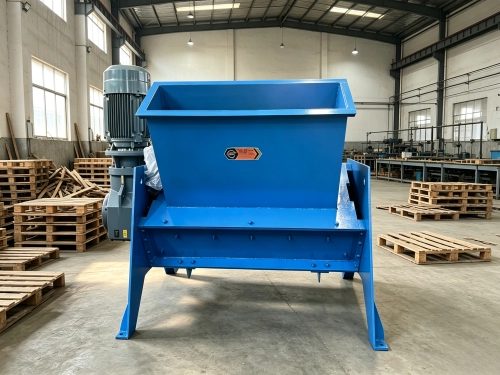
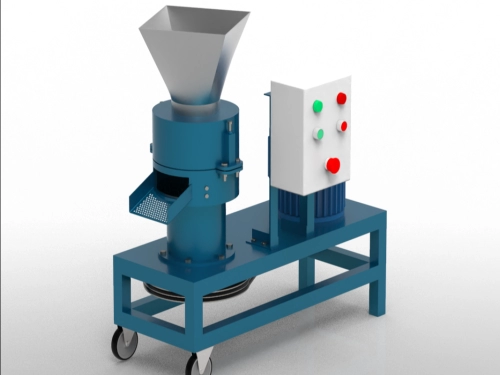
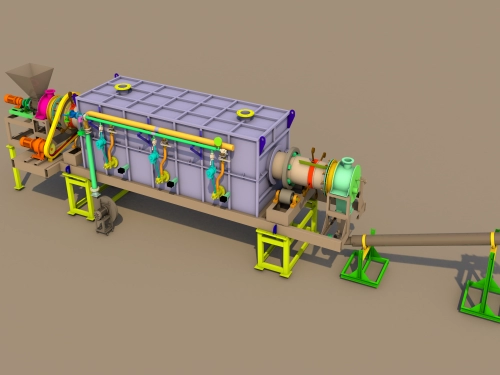
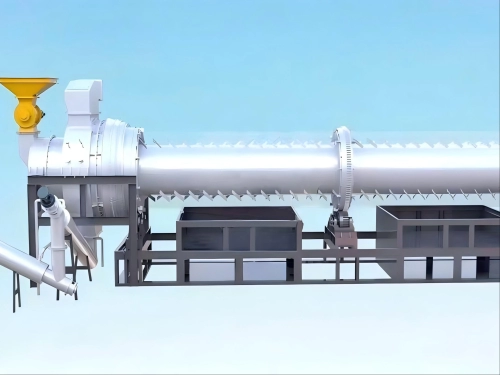
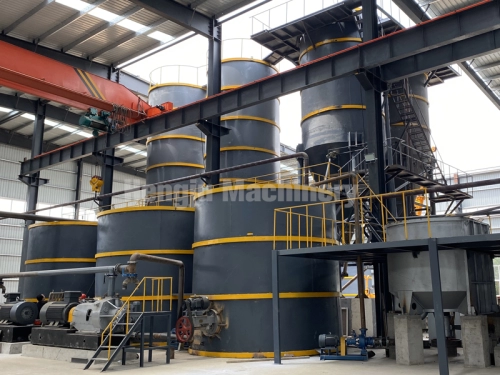
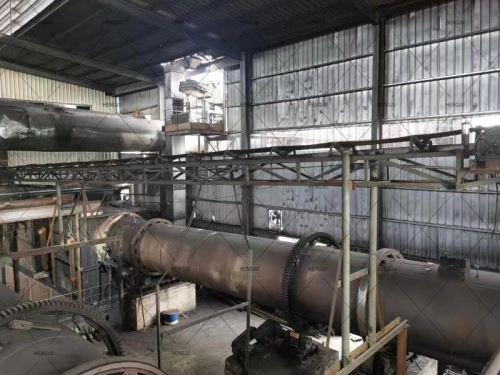
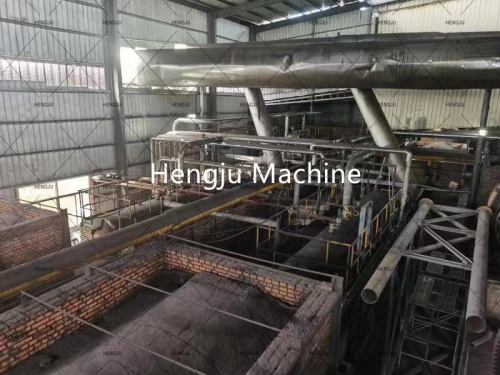
A chemical activation plant requires specialized, corrosion-resistant assets: impregnation vessels, sealed activation furnaces, washing systems, dryers, and material handlers. The depreciation and maintenance of this equipment, typically over a 5-8 year lifespan, adds 5-10% to the overall production cost.
Environmental Management
The process generates challenging waste streams, primarily chemical-laden wastewater, which requires dedicated treatment systems for neutralization and purification before discharge. Managing volatile organic compounds (VOCs) and chemical fumes with scrubbers or adsorbers is also necessary. Together, operating these environmental controls can account for 7-11% of total costs, a critical factor for regulatory compliance and sustainable operation.
Labor and Management
Skilled personnel are needed for precise chemical handling, process control, equipment operation, and quality assurance across the multi-stage workflow. These labor, supervision, and quality management costs form the final piece of the operational overhead.
Key Strategies for Cost Control and Optimization
Smart operational practices can help mitigate these expenses. Opting for phosphoric acid over KOH where product specifications allow can reduce chemical costs. Implementing a closed-loop wash water recovery system allows for partial re-use of chemicals and significantly cuts down on fresh water and wastewater treatment expenses. Finally, integrating heat recovery systems to capture waste heat from the furnace exhaust for use in the drying stage can create meaningful energy savings.
Summary
In summary, the cost of chemically activated carbon is a multifaceted equation. Success depends not only on managing the price of chemicals and biomass but also on optimizing the efficiency of energy-intensive post-processing and effectively controlling the overheads of equipment and environmental stewardship. A deep understanding of this entire cost matrix is the first step toward achieving a competitive and sustainable production operation.
Copyright: Copyright belongs to Hengju Machinery! Reprint please indicate the source: https://www.hengjumachinery.com/industry-news/breaking-down-the-real-cost-of-chemical-activation-for-active-carbon.html
Needs Help? Let’s Get in Touch