Why is Activated Carbon Extremely Important in the Industrial Field?
When precise separation or capture of specific substances from complex mixtures is required, the industry has a universal and efficient solution — activated carbon. Activated carbon undergoes special activation treatment, possessing numerous microscopic pores, with its core principle being physical adsorption. Activated carbon acts like a high-precision "captor" in the microscopic world, utilizing its immense specific surface area to firmly adsorb target molecules within its pore channels. It is precisely based on this simple yet powerful principle that activated carbon plays an indispensable role across several vital industrial sectors.
I. Water Treatment
In water treatment plants, activated carbon is primarily used to remove residual chlorine, odors, and trace organic pollutants from water. It ensures that tap water is not only safe upon leaving the plant but also clearer and better-tasting. For wastewater generated by industries such as dyeing, chemical, and electroplating, activated carbon can also effectively adsorb hard-to-degrade pigments, organic toxins, heavy metal ions, and phenolic substances. It is one of the key processes enabling wastewater to meet discharge standards or be reused.
II. Waste Gas and Air Treatment
In industries like spray painting, printing, plastics, and petrochemicals, activated carbon adsorption units are a mainstream technology for treating Volatile Organic Compounds (VOCs). They capture and concentrate organic compounds such as benzene, toluene, and esters that escape during production, which are subsequently recovered or destroyed through desorption. At the tail-end of large-scale coal-fired boilers or waste incineration plants, specialized activated carbon can be used to synergistically remove trace-level toxic pollutants like dioxins and mercury from flue gas, serving as an effective means to meet ultra-low emission standards.
Activated carbon is also used for air purification and protection purposes, commonly found in gas mask filter canisters for factory workshops, as well as in air purification systems for data centers and precision instrument rooms. It provides fundamental protection against chemical gases, ensuring personnel safety and equipment stability.
III. Food and Pharmaceutical Industries
In the sugar industry, activated carbon is used for decolorizing syrup, transforming it from yellowish-brown to pure white. Similarly, in the production of monosodium glutamate (MSG), citric acid, and edible oils, it is employed to remove impurities, odors, and pigments, enhancing the sensory quality and safety grade of the products. Activated carbon is a key auxiliary material in the production of active pharmaceutical ingredients (APIs), used to remove pyrogens, pigments, and high-molecular-weight organic compounds, thereby purifying intermediates or finished products. It also plays a similar purification role in the extraction of biochemical products like antibiotics and vitamins.
IV. The "Dedicated Captor" for Gold and Precious Metals
In modern gold refining, the ore slurry after cyanide leaching contains trace amounts of gold-cyanide complexes. Activated carbon is directly added to the slurry, selectively adsorbing gold molecules like a magnet while leaving a multitude of other impurities in the solution. The gold-loaded activated carbon can be separated through simple screening, and high-purity gold can then be extracted via desorption and electrolysis. This process, due to its high efficiency and stability, has become the standard practice in gold mines worldwide.
Industrial Production and Market Prospects
Activated carbon finds applications in so many industrial scenarios, and it is itself an industrial product with very promising market prospects. If large-scale use of activated carbon is needed, one might also consider manufacturing and producing activated carbon independently. This not only reduces supply costs but can also ensure the quality of the activated carbon. For those interested in entering the activated carbon production industry, its commercial value and development prospects are favorable.
Professional Support from Hengju Machinery
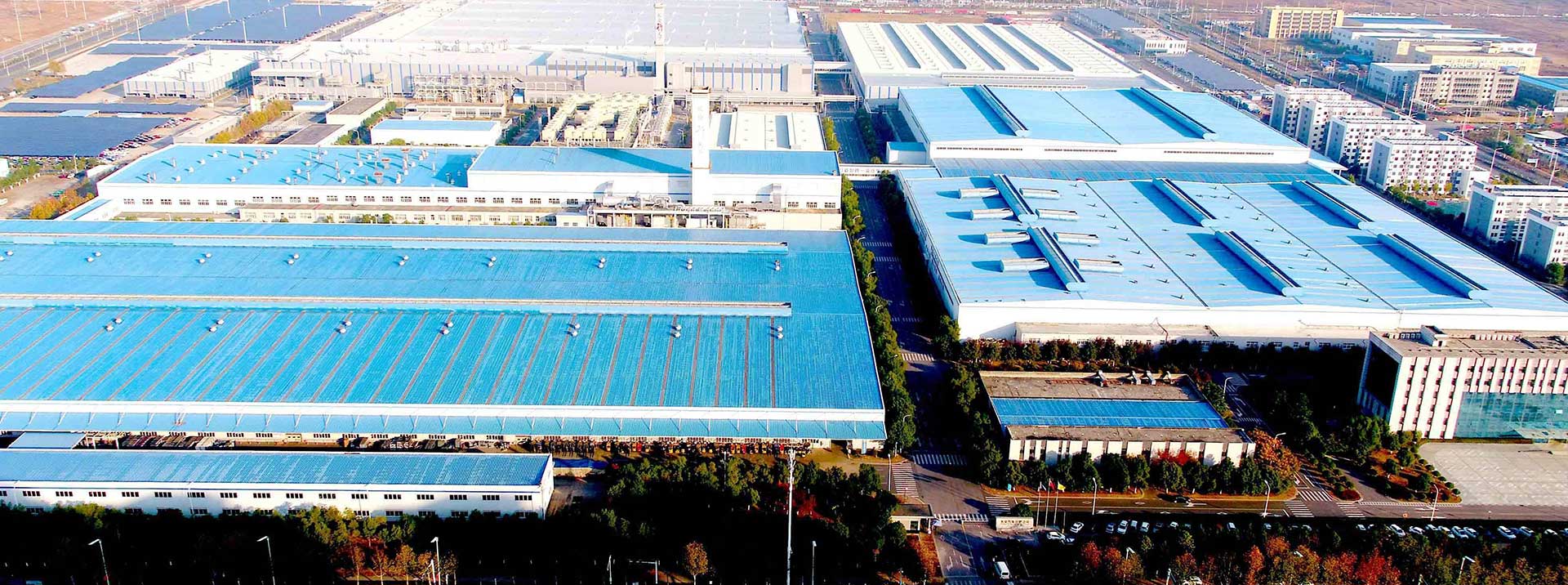
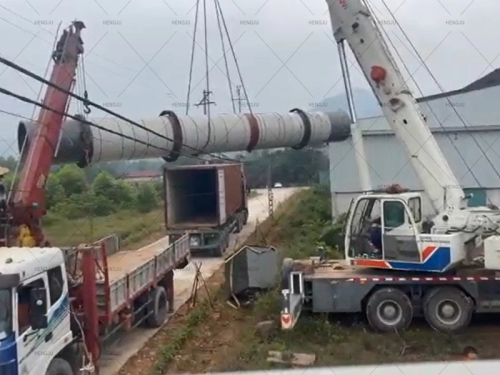
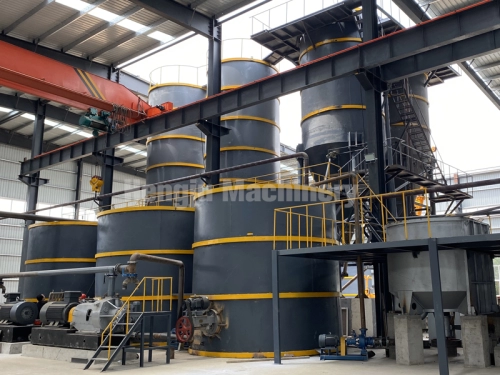
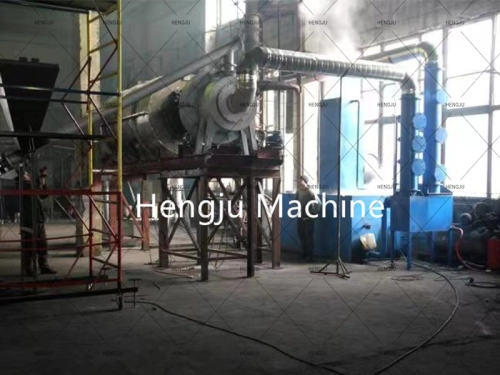
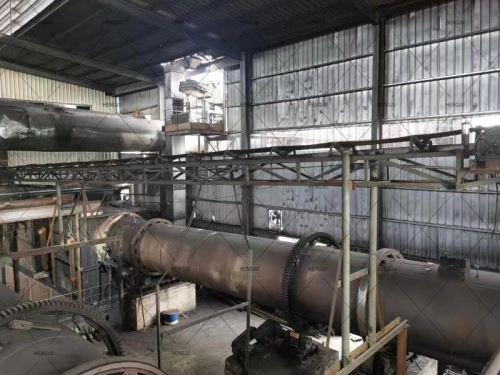
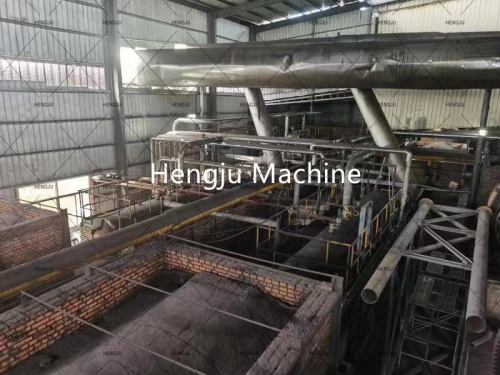
As a factory with over 20 years of experience in the production of activated carbon activation furnaces, Hengju Machinery's technical experts can provide you with various professional supports regarding activated carbon production and production lines. You can get in touch with Hengju Machinery.
Copyright: Copyright belongs to Hengju Machinery! Reprint please indicate the source: https://www.hengjumachinery.com/industry-news/why-is-activated-carbon-extremely-important-in-the-industrial-field.html
Needs Help? Let’s Get in Touch