The difference between coconut shell activated carbon and fruit shell activated carbon
Activated carbon is an adsorption material widely used in water treatment, air purification and industrial production. Coconut shell activated carbon and fruit shell activated carbon are two common types. Although they are both made from plant shells, they have significant differences in performance, use and production characteristics.
1. Source of raw materials
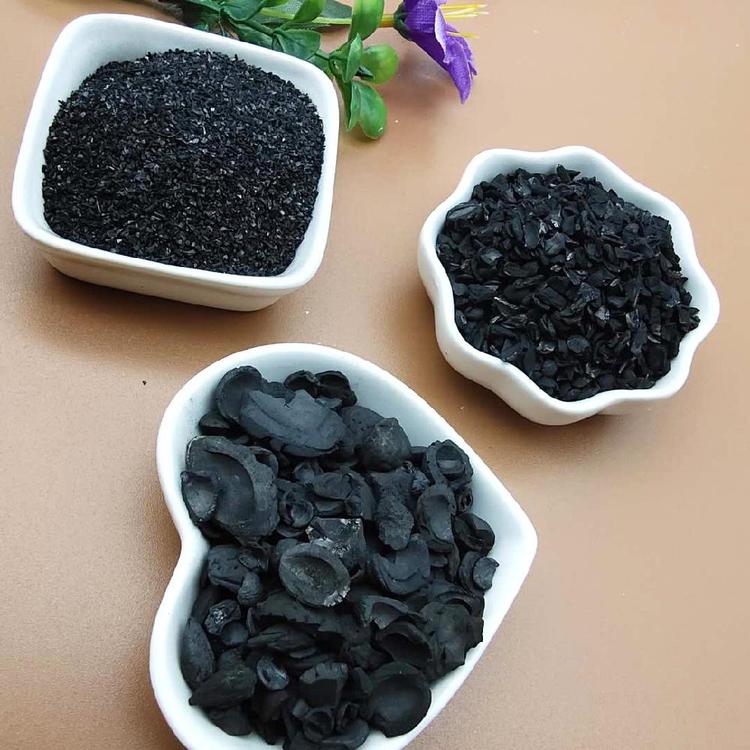
Coconut shell activated carbon is made from coconut shells and is mainly produced in tropical and subtropical regions. The high density and hardness of coconut shell provide activated carbon with superior mechanical strength and wear resistance.
Fruit shell activated carbon is usually made from fruit shells such as apricot shells, peach shells, and walnut shells. It has a wide source and is mainly distributed in temperate regions. These husks are generally slightly less dense and harder than coconut shells.
2. Physical properties
Coconut shell activated carbon has a developed microporous structure, with micropores accounting for more than 80% of the total pore volume, making it suitable for adsorbing small molecules. The pore structure of fruit shell activated carbon is mainly composed of mesopores and macropores, which is more suitable for adsorbing larger molecular substances.
Coconut shell activated carbon has high hardness and long service life, and is especially suitable for repeated use.
The hardness of nutshell activated carbon is relatively low, but its strength can still meet most industrial needs.
3. Chemical properties
Iodine adsorption value
Coconut shell activated carbon usually has a high iodine adsorption value, which can reach 1000-1200 mg/g, making it the preferred material in the water treatment industry.
The iodine adsorption value of fruit shell activated carbon is relatively low, usually between 800-1000 mg/g.
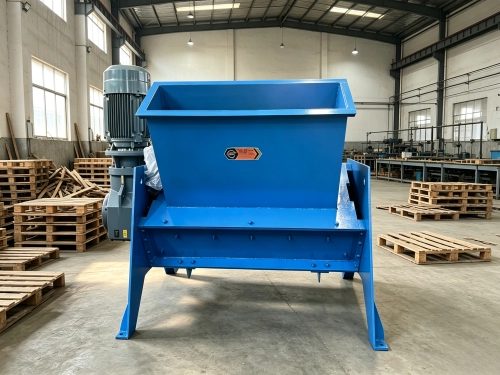
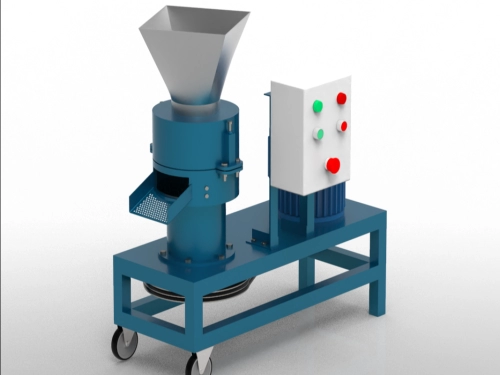
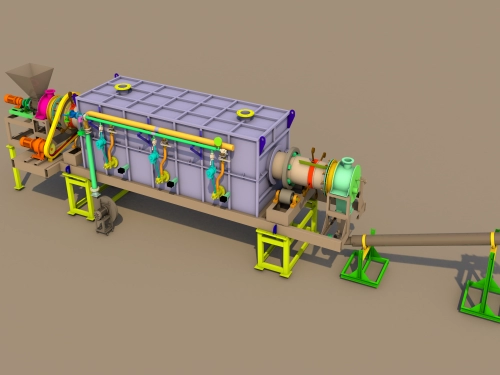
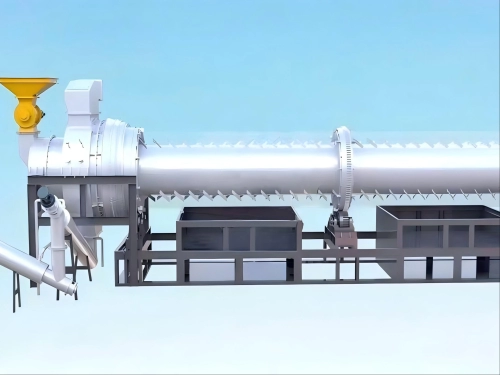
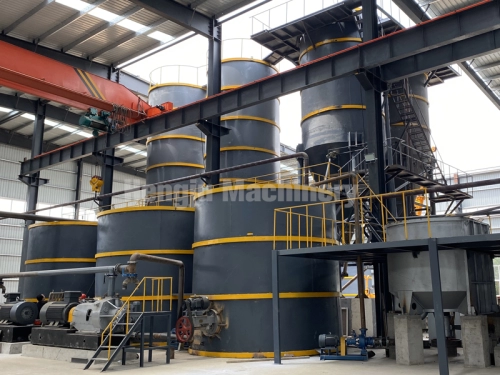
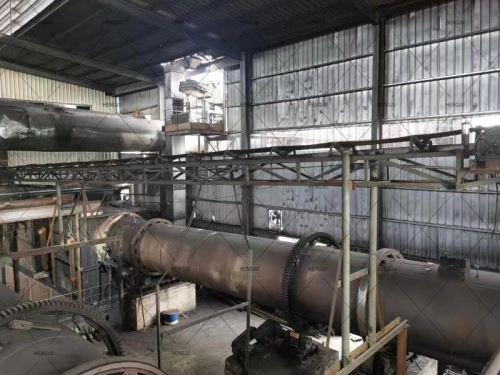
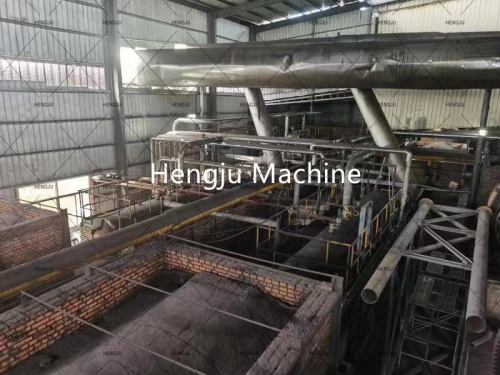
There are some differences between coconut shell activated carbon and fruit shell activated carbon in raw material sources, physical properties and chemical characteristics. If you want to produce high-quality coconut shell activated carbon and fruit shell activated carbon, you need to choose a high-quality activated carbonization furnace.
The activated carbonization furnace manufactured by Hengju Machinery can meet the manufacturing needs of various activated carbons, and the quality of the activated carbon produced is stable. If you have any questions about activated carbonization furnace, you are welcome to contact Hengju Machinery, our professional engineers will answer your questions.
Copyright: Copyright belongs to Hengju Machinery! Reprint please indicate the source: https://www.hengjumachinery.com/industry-news/the-difference-between-coconut-shell-activated-carbon-and-fruit-shell-activated-carbon.html
Needs Help? Let’s Get in Touch