Activated carbon production process
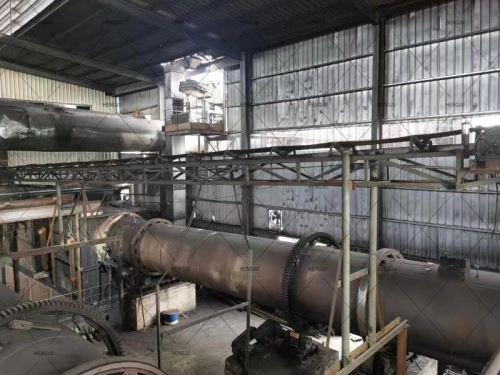
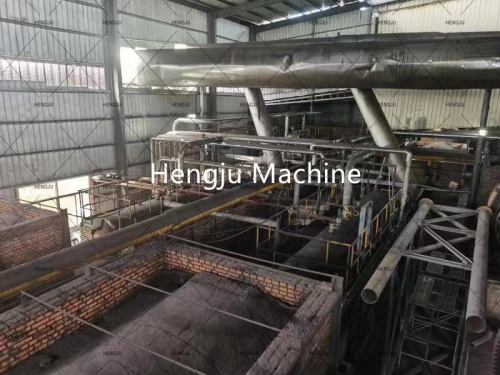
The activated carbon production process is roughly divided into two main steps: carbonization and activation.
The first process of carbonization: Including dehydration and carbonization (pyrolysis), the raw materials are heated under air-isolated conditions and dried at a temperature of 170 to 600°C. When the materials are decomposed at high temperature, non-carbon substances such as oxygen and hydrogen are discharged, and the original organic matter is removed. About 80% is carbonized, and the carbon atoms that have lost oxygen and hydrogen are reorganized to form an ordered substance with a basic graphite microcrystalline structure. This crystalline substance is composed of hexagonally arranged carbon atom planes, and their arrangement is irregular. , thus forming gaps between crystallites, and these gaps are the initial pores of the carbonized material. Therefore, the purpose of carbonization is to form a secondary pore structure in the material that is easily activated and to impart the mechanical strength required to withstand activation.
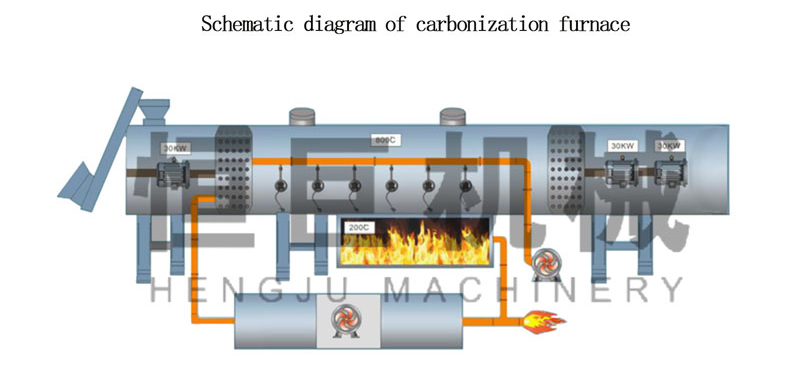
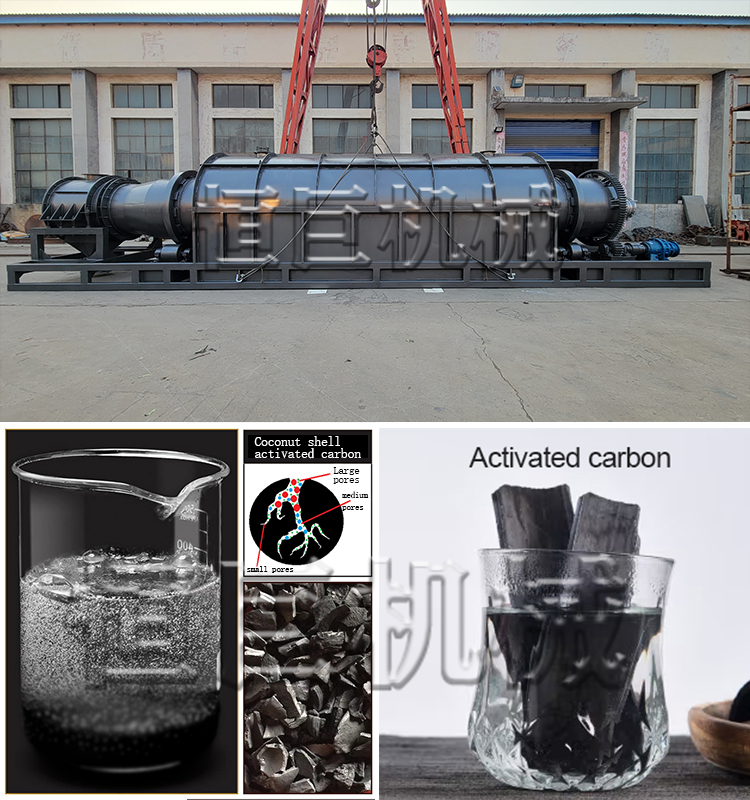
The second process is to activate the carbonized material. The activation method is divided into physical activation method (also called gas activation method) and chemical activation method according to the different activators. The commonly used activation method for coal-based activated carbon is the physical activation method, using water vapor, flue gas (a mixture of water vapor, CO2, N2, etc.), CO2 or air as the activation gas. In the endothermic reaction, a mixed gas composed of CO and H2 is mainly produced, which is used to burn and heat the char to an appropriate temperature (800 to 1000°C) to burn out all decomposable substances, thereby producing a developed microporous structure. And huge specific surface area, so it has strong adsorption capacity. Activated carbon produced from different raw materials has different pore sizes. Among them, the pore size of activated carbon made from coconut shell is the smallest, the pore size of wood-based activated carbon is generally larger, and the pore size of coal-based activated carbon is between the two.
Copyright: Copyright belongs to Hengju Machinery! Reprint please indicate the source: https://www.hengjumachinery.com/industry-news/3this-is-a-news-article-about-the-crusher-industry.html
Needs Help? Let’s Get in Touch