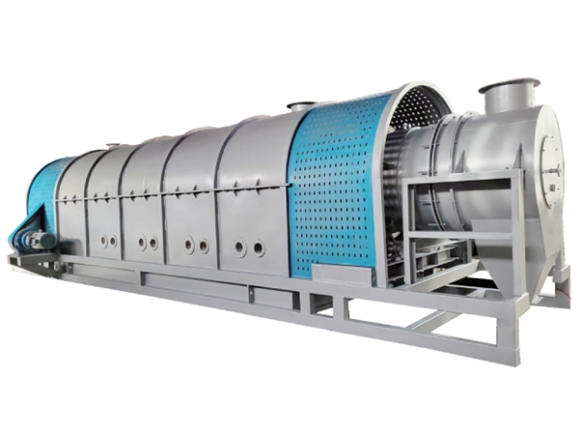
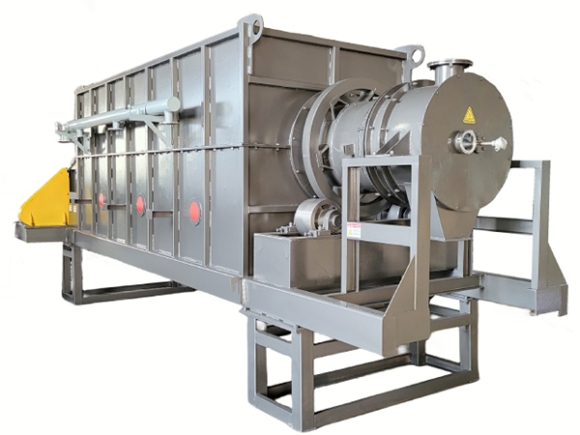
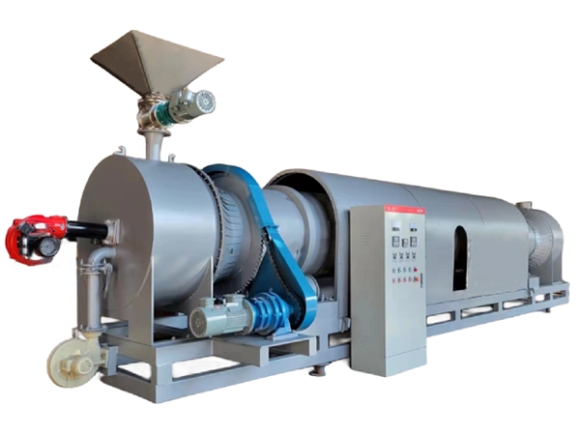
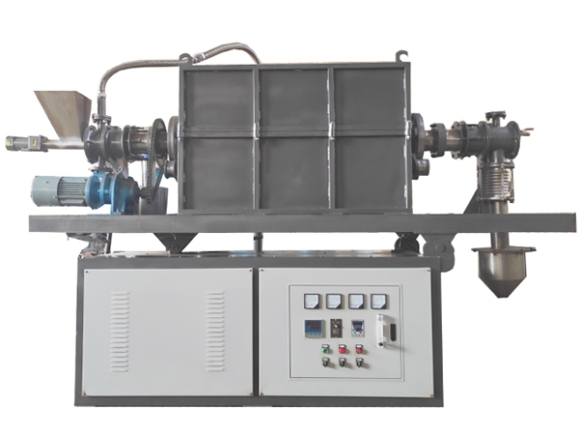
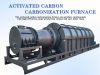
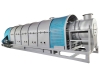
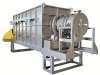
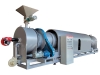
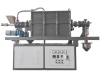
Activated Carbon Carbonization Furnace
The charcoal enters the activation furnace through the screw conveyor, and passes through the high

The charcoal enters the activation furnace through the screw conveyor, and passes through the high
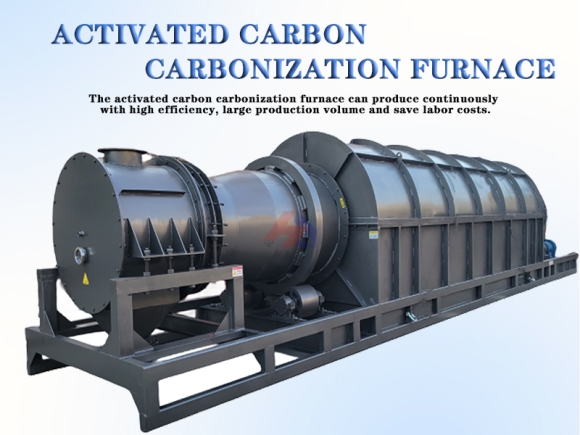
| Model | Capacity(kg/h) | |||||
| HJ-HX180 | 10-20 | |||||
| HJ-HX260 | 25-35 | |||||
| HJ-HX380 | 40-50 | |||||
| HJ-HX460 | 60-70 | |||||
| HJ-HX580 | 80-100 | |||||
| HJ-HX660 | 100-120 | |||||
| For more please contact: info@hengjumachinery.com | ||||||
Activated carbon production process
The activated carbon production process is roughly divided into two main steps: carbonization and activation.
The first process of carbonization: Including dehydration and carbonization (pyrolysis), the raw materials are heated under air-isolated conditions and dried at a temperature of 170 to 600°C. When the materials are decomposed at high temperature, non-carbon substances such as oxygen and hydrogen are discharged, and the original organic matter is removed. About 80% is carbonized, and the carbon atoms that have lost oxygen and hydrogen are reorganized to form an ordered substance with a basic graphite microcrystalline structure. This crystalline substance is composed of hexagonally arranged carbon atom planes, and their arrangement is irregular. , thus forming gaps between crystallites, and these gaps are the initial pores of the carbonized material. Therefore, the purpose of carbonization is to form a secondary pore structure in the material that is easily activated and to impart the mechanical strength required to withstand activation.
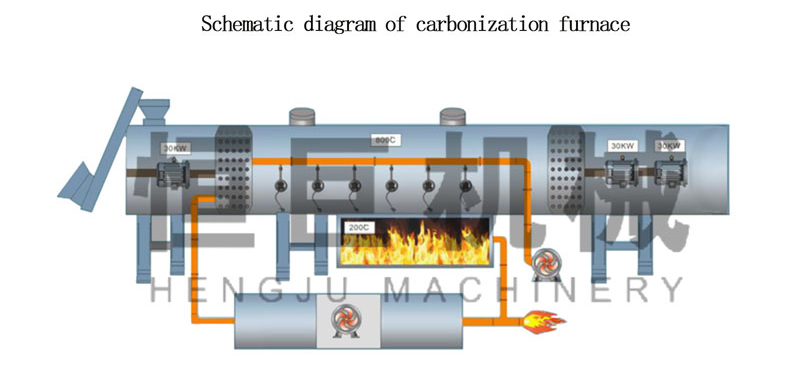
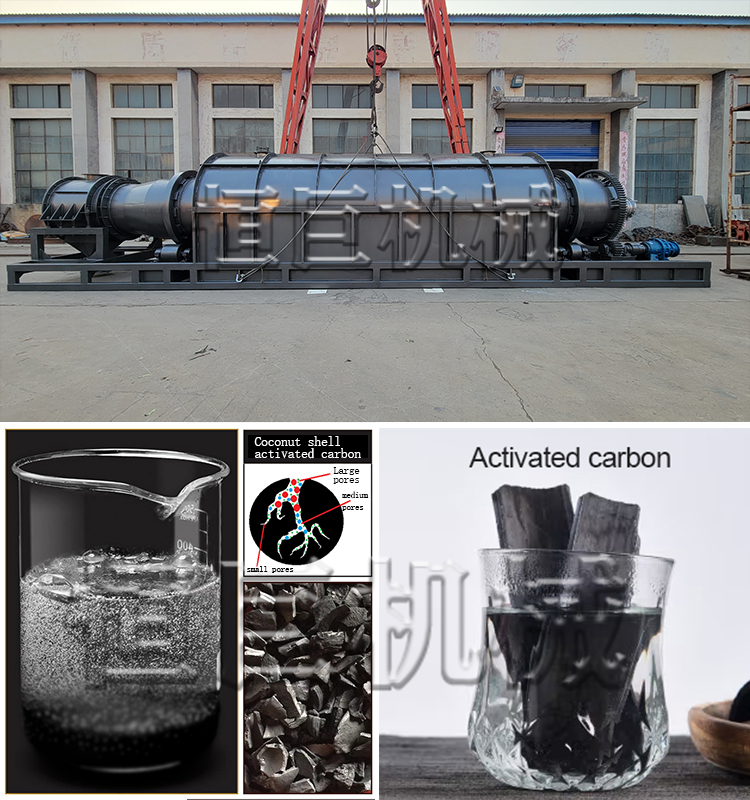
The second process is to activate the carbonized material. The activation method is divided into physical activation method (also called gas activation method) and chemical activation method according to the different activators. The commonly used activation method for coal-based activated carbon is the physical activation method, using water vapor, flue gas (a mixture of water vapor, CO2, N2, etc.), CO2 or air as the activation gas. In the endothermic reaction, a mixed gas composed of CO and H2 is mainly produced, which is used to burn and heat the char to an appropriate temperature (800 to 1000°C) to burn out all decomposable substances, thereby producing a developed microporous structure. And huge specific surface area, so it has strong adsorption capacity. Activated carbon produced from different raw materials has different pore sizes. Among them, the pore size of activated carbon made from coconut shell is the smallest, the pore size of wood-based activated carbon is generally larger, and the pore size of coal-based activated carbon is between the two.
The cost of maintaining activated carbon production line equipment can be influenced by several factors, including the type and scale of the equipment, usage frequency, maintenance strategies, cost of parts, and complexity of maintenance work. Here are some key factors that affect maintenance costs:
Line Scale: Larger production lines typically require more maintenance work and, consequently, higher maintenance costs.
Equipment Complexity: Technologically advanced, automated equipment may require specialized maintenance services and more expensive parts.
Routine Maintenance: Regular inspections, cleaning, and part replacements can prevent major issues and reduce long-term maintenance costs.
Emergency Repairs: Emergency repairs are usually more costly than planned maintenance.
Part Prices: The cost of consumables and critical parts will directly affect maintenance costs.
Consumable Use: Energy consumption, lubricants, cleaning agents, etc., also impact maintenance costs.
Professional Skills: Maintenance that requires specialized skills will have higher labor costs.
Training and Hiring: Costs associated with training operators and maintenance personnel and hiring professionals.
Preventive Maintenance: Preventive maintenance can reduce the frequency and cost of emergency repairs.
Maintenance Strategy: A reasonable maintenance strategy can maximize equipment life and reduce unnecessary maintenance costs.
Supplier Service: The quality and cost of after-sales service and support provided by suppliers.
Maintenance Contracts: Maintenance contracts with suppliers may impact maintenance costs.
The cost of maintaining activated carbon production line equipment can be controlled. Effective maintenance strategies and regular maintenance work can reduce equipment failures and unplanned downtime, thereby lowering long-term maintenance costs. For businesses, investing in high-quality equipment and a professional maintenance team is worthwhile because it ensures the stable operation of the production line, improves production efficiency, and ultimately brings better economic benefits.
We hope this information helps you understand the costs associated with maintaining activated carbon production line equipment. If you have any further questions or need advice, please feel free to contact us, and we will provide professional consulting services.
Yes, we will test each machine and production line before shipment and send you a working video. You can also check the machines you buy at our factory before delivery.
Under normal circumstances only 4-8 workers to operate, we can according to your request for you to design more scientific production line.
coconut shell, walnut shell, hazelnut shell, nuts shell, hardwood, and coal can be made into activated carbon.
We will provide spare parts for each machine in the entire production line free of charge.
Our activated carbon machines can make coconut shells, walnut shells, hazelnut shells, apricot shells, peach shells, nut shells, hardwood and coal into activated carbon products that meet customer requirements.
Our engineers will guide your employees to operate and send operation videos.
The gases and solids in the activated carbon rotary kiln flow through the kiln in opposite directions, providing more efficient heat transfer. The raw material enters from the upper end of the rotary kiln, and the tilting and rotation of the kiln itself causes the raw materials to move to the lower end, in the process becoming activated carbon, and finally coming out from the discharge port.
Our activated carbon equipment can produce a variety of types of activated carbon, including powdered activated carbon, granular activated carbon, cylindrical activated carbon, honeycomb activated carbon, nano activated carbon, etc. We can customize it according to the needs of each user.
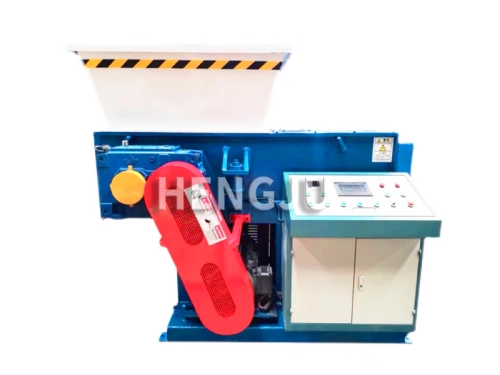
Single Shaft Shredder Operation Demonstration Video
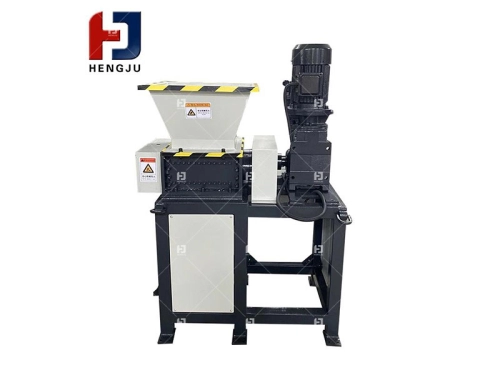
small shredder Operation Demonstration Video
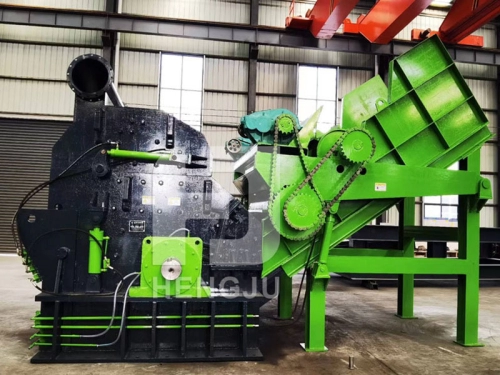
Metal Crusher Demo Video | Operation Demonstration of Metal Crushing Machine
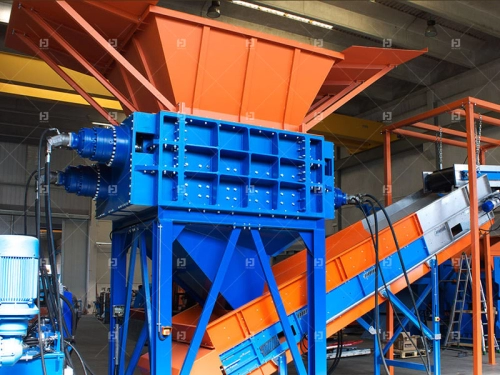
Four-Shaft Shredder Demo Video - Operation Demonstration
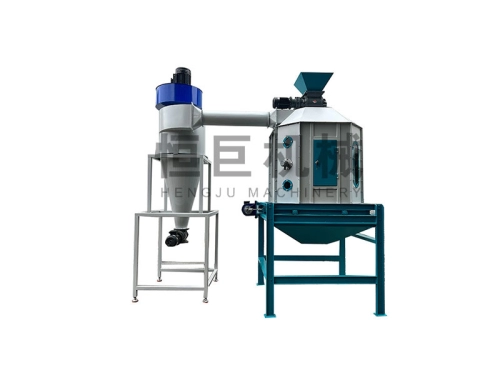
Counterflow air-drying coolers are widely used in the cooling section of biomass pellet machines and

Magnetic separators are the main ferrous metal separators in scrap processing plants.
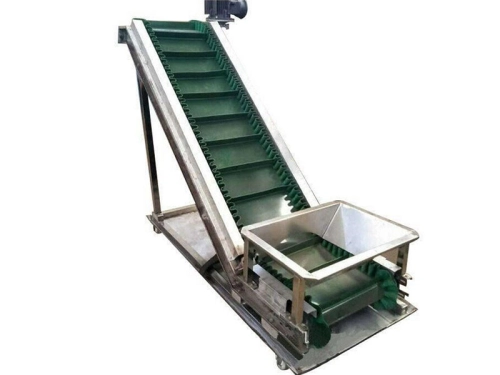
Conveyor (Conveyor) can be divided according to the operation mode: belt conveyor, screw conveyor, b
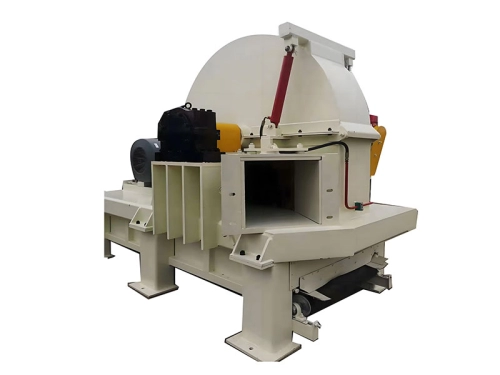
The disc chipper is a special equipment for preparing high-quality wood chips
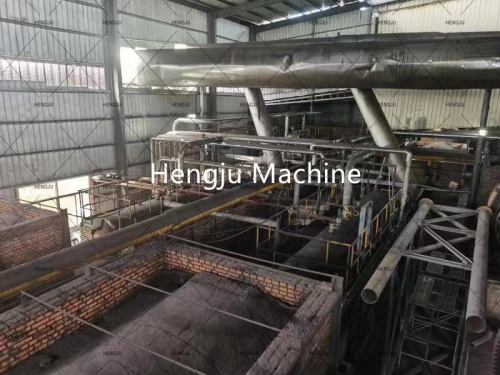
Myanmar customer 8T/D high value-added activated carbon production line turnkey project
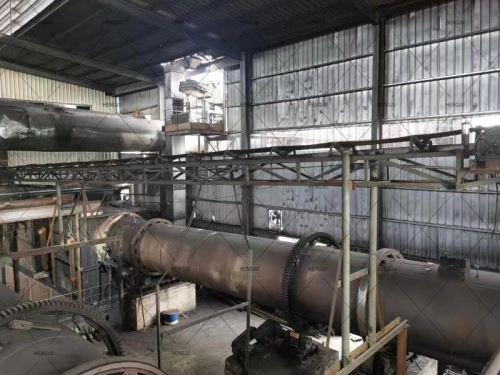
Kenyan customer activated carbonization furnace production line
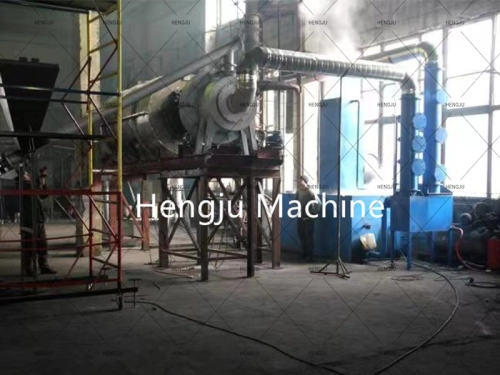
Philippine customer 10T/D activated carbonization furnace site
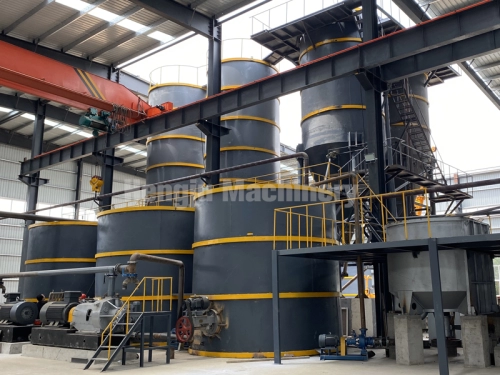
20T/D North American scrap iron barrel/plastic barrel crushing and disposal project